
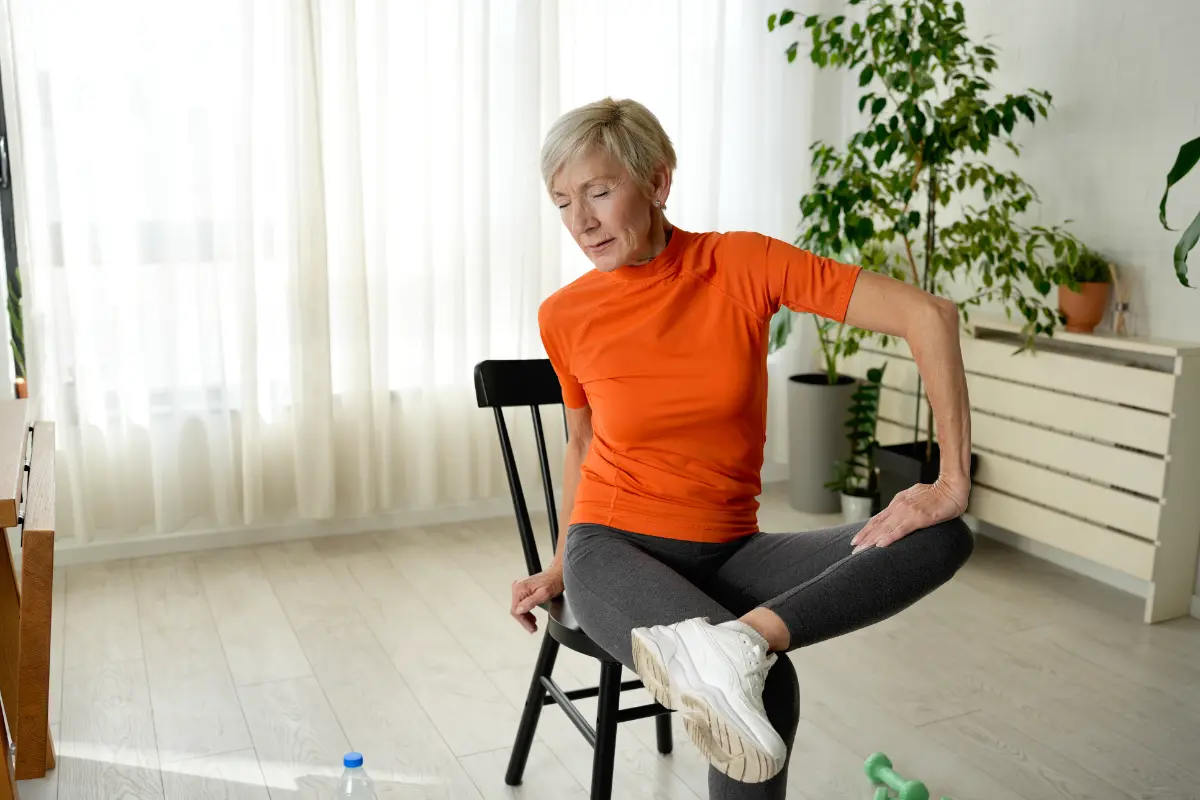
When someone suggests “exercise” to a caregiver, the reaction is often a tired laugh. Between managing medications, navigating behavioral changes, and keeping your loved one safe, finding time for a workout can feel laughable.
But here’s the good news: you don’t need a workout. What researchers are now calling “movement snacks,” short bursts of gentle activity lasting just two to five minutes, can support cardiovascular health, improve mood, and even help with sleep. And many of them can be done together with your loved one, making them a moment of connection rather than another item on your to-do list.
This article shares simple, safe movement ideas you can sprinkle into your day without special equipment, extra time, or added stress.
Why Short Bursts of Movement Matter for Heart and Brain Health
Heart health and brain health are closely connected. The same blood vessels that supply the heart also feed the brain, which means that what helps the cardiovascular system can also support cognitive function.
For people living with dementia, regular gentle movement may help with circulation, reduce restlessness and agitation, improve sleep quality, and support overall physical strength and balance. For caregivers, even brief physical activity can lower stress hormones, lift your mood, and give you a small energy boost when you need it most.
The key word here is “gentle.” No one is asking you or your loved one to break a sweat. The goal is simply to move a little more than you did yesterday, in whatever way feels comfortable and safe.
What Is a Movement Snack?
A movement snack is any short period of intentional physical activity, usually between one and five minutes, woven into your regular routine. Think of it like a quick stretch between tasks rather than a dedicated exercise session.
Examples include:
- Standing up and sitting down slowly from a chair three to five times while waiting for the kettle to boil.
- Marching in place or doing gentle toe taps while watching TV together.
- Walking to the mailbox and back.
- Doing slow arm circles or shoulder rolls while seated at the kitchen table.
- Swaying gently to a favorite song.
Movement snacks work because they’re small enough to fit into almost any day, even the hard ones. They don’t require changing clothes, clearing space, or carving out a special time. They just ask you to move your body for a moment, wherever you already are.
Safe Movement Ideas to Try Together
Safety is always the top priority when encouraging movement for someone with dementia. Here are a few ideas that can be adapted to different ability levels. Always consider your loved one’s balance, mobility, and comfort before starting, and talk with their healthcare provider if you have questions about what’s appropriate.
Seated activities (for those with limited mobility or balance concerns):
- Gentle leg lifts while sitting in a sturdy chair.
- Ankle circles and toe points.
- Seated marching, alternating lifting each knee a few inches.
- Squeezing a soft ball or rolled-up towel with both hands.
- Reaching arms overhead slowly, then lowering them back down.
Standing activities (with support nearby):
- Holding the back of a chair and doing slow heel raises.
- Side-stepping along the kitchen counter.
- Standing near a wall and doing gentle wall push-ups.
- Walking slowly around the living room or down the hallway.
Movement with music:
- Playing a familiar song and clapping along.
- Swaying or dancing gently while holding hands.
- Using a rhythm instrument like a small shaker or tambourine.
Music can be especially powerful for people living with dementia, because musical memory often remains intact even when other memories fade. A familiar melody may bring a smile, encourage natural movement, and create a moment of shared joy.
Tips to Make Movement a Natural Part of Your Day
The best movement snack is one that doesn’t feel like effort. Here are a few ways to build gentle activity into your routine without adding pressure.
Attach it to something you already do. After breakfast, do a few gentle stretches at the table. After a bathroom trip, take a slow lap through the hallway. By linking movement to existing habits, it becomes automatic rather than another thing to remember.
Follow your loved one’s lead. Some days, your loved one may be willing and even eager to move. Other days, they may resist or seem confused by what you’re asking. That’s okay. Offer an invitation rather than an instruction, and let it go if the answer is no.
Keep it short and positive. Two minutes is plenty. If it feels good, do a little more. If it doesn’t, stop. There’s no failure here, only flexibility.
Move for yourself, too. Caregiver health matters. If your loved one is resting or being cared for by someone else, take those few minutes to stretch, walk around the block, or simply stand up and breathe. Your body carries a lot of stress. It deserves attention, too.
Don’t worry about doing it “right.” There is no perfect form, no required number of reps, no minimum time. Any movement counts. Even fidgeting, tapping your feet, or pacing while on hold with the insurance company counts as a movement snack.
What to Do When Movement Feels Like Too Much
Some days, even two minutes of gentle stretching will feel impossible, and that’s completely okay.
Dementia caregiving has seasons. There are days when your loved one is agitated or unwell, days when you’re running on empty, days when the to-do list wins. On those days, movement can wait.
If structured movement isn’t working, try these alternatives:
- Open a window and take three deep breaths of fresh air.
- Walk from one room to another with no agenda.
- Stretch your arms and fingers while sitting on the couch.
- Simply stand up, pause for a moment, and sit back down.
These tiny actions still count. They still help. And they don’t ask more of you than you can give.
When things settle, you can try again. Movement snacks will be there whenever you’re ready to come back to them.
Key Takeaways
- “Movement snacks” are short, gentle bursts of activity lasting one to five minutes that support heart and brain health without requiring a formal exercise routine.
- Seated activities, slow walking, and moving to music are all safe options that can be adapted to your loved one’s ability level.
- Linking movement to habits you already have, like stretching after breakfast, makes it easier to build into your day.
- Always consider your loved one’s safety and comfort, and check with their healthcare provider if you’re unsure what’s appropriate.
- On days when movement feels like too much, even a deep breath or a short walk to the next room still counts. It’s okay to start small.
You’re not alone in this, and every small movement matters.

