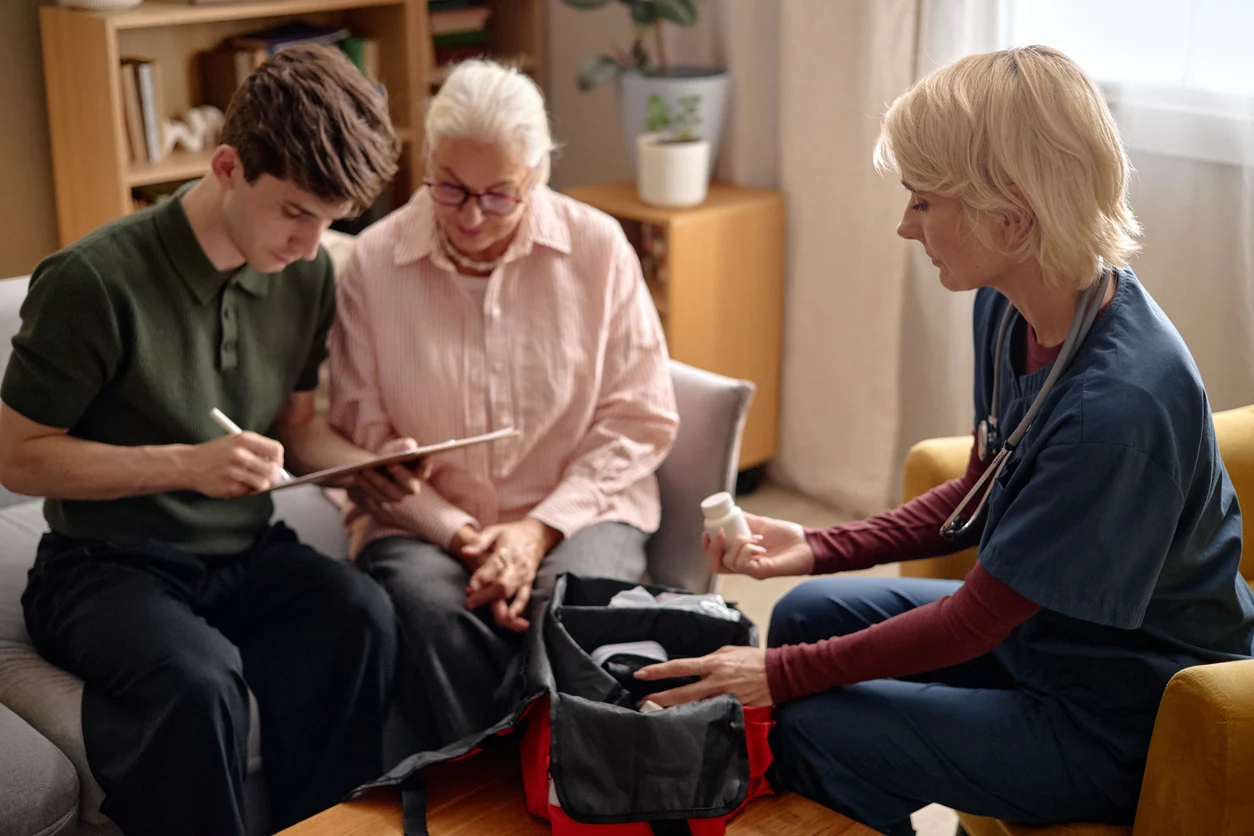
How Heart Health Affects Brain Health in Dementia

1. Introduction

When you think about caring for someone with dementia, your mind probably goes straight to memory, behavior, and daily routines. Heart health might not be at the top of your list.

But research consistently shows that the heart and brain depend on each other more than most people realize. The brain uses roughly 20 percent of the body’s blood supply. When the heart struggles to pump blood efficiently, the brain feels it, sometimes in ways that look a lot like worsening dementia symptoms.

This doesn’t mean you need to become a cardiac specialist on top of everything else you’re managing. It does mean that paying attention to a few heart-healthy basics may help support your loved one’s cognitive function and overall quality of life. And many of these steps are simpler than you might expect.

2. The Heart-Brain Connection: What Caregivers Should Know

Your loved one’s brain needs a steady supply of oxygen-rich blood to function. The heart is responsible for delivering that blood. When cardiovascular health declines, blood flow to the brain can decrease, and that reduced flow can affect thinking, memory, and behavior.

Here’s what that can look like in practice:

  • Unmanaged high blood pressure can, over time, cause damage to the brain’s small blood vessels. This damage may contribute to a type of dementia called vascular dementia, or it can worsen symptoms in someone already living with Alzheimer’s disease.
  • Heart conditions like atrial fibrillation (an irregular heartbeat), heart failure, or coronary artery disease can all reduce the amount of blood reaching the brain.
  • Circulation problems may cause symptoms that overlap with dementia, such as increased confusion, difficulty finding words, or sudden changes in mood or alertness.

The important thing to understand is this: heart health and brain health aren’t separate concerns. They work together. Supporting one can help protect the other.

3. Warning Signs to Watch For

As a caregiver, you’re already tuned in to changes in your loved one’s behavior and abilities. Some shifts that seem like “just the dementia progressing” could actually be related to cardiovascular changes. Knowing what to watch for can help you have more productive conversations with the healthcare team.

Talk with the doctor if you notice:

  • A sudden increase in confusion or disorientation that doesn’t match the usual pattern
  • New or worsening dizziness, especially when standing up
  • Swelling in the feet, ankles, or legs
  • Shortness of breath during activities that used to be manageable
  • Complaints of chest discomfort, pressure, or pain (note that some people with dementia may not be able to describe pain clearly, so watch for facial expressions, guarding, or restlessness)
  • Unusual fatigue or sleeping much more than normal

These don’t necessarily mean something is wrong with the heart. But they’re worth mentioning at the next appointment. You know your loved one’s baseline better than anyone, and that knowledge is valuable to the care team.

4. Simple Ways to Support Heart and Brain Health Together

You don’t need to overhaul your loved one’s entire routine. Small, consistent steps can make a real difference. Here are a few practical starting points:

Keep up with medications. If your loved one takes blood pressure medication, cholesterol medication, or blood thinners, staying consistent with those prescriptions matters. If managing multiple medications feels overwhelming, ask the pharmacist about blister packs, pill organizers, or medication synchronization programs that can simplify refills.

Encourage gentle movement. Physical activity helps the heart pump blood more efficiently and may support brain health, too. This doesn’t have to mean formal exercise. A short walk around the house, gentle seated stretches, or even standing up and swaying to music all count. Match the activity to what your loved one can safely do today, not what they used to do.

Offer heart-friendly foods when you can. You don’t need a perfect diet. But when you have the chance, lean toward fruits, vegetables, whole grains, and lean proteins. Reducing sodium can help with blood pressure. If your loved one has strong food preferences or struggles with eating, do what you can without adding stress. Any small shift toward healthier options helps.

Stay on top of regular checkups. Routine visits give the healthcare provider a chance to monitor blood pressure, cholesterol, and heart function. If getting to appointments is difficult, ask about telehealth options or whether a visiting nurse can help with basic monitoring at home.

Watch for dehydration. Older adults, especially those with dementia, may not feel thirsty or may forget to drink fluids. Dehydration can affect blood pressure and circulation, which in turn affects the brain. Offer water, juice, or broth throughout the day. Small, frequent sips often work better than a full glass.

5. Taking Care of Your Own Heart, Too

Here’s something caregivers don’t hear often enough: your heart health matters in this equation, too.

Caregiving is physically and emotionally demanding. Chronic stress, disrupted sleep, skipped meals, and little time for exercise all take a toll on your cardiovascular health. Research has shown that family caregivers have a higher risk of developing heart problems than non-caregivers.

This isn’t said to worry you. It’s said because you deserve the same attention you give your loved one. A few small things that can help:

  • Try to get your own blood pressure checked regularly, even at a pharmacy kiosk.
  • When your loved one eats a heart-healthy meal, eat one too.
  • Find five or ten minutes for movement, even a short walk around the block or some stretches while waiting for coffee.
  • If you’re feeling chest tightness, unusual fatigue, or shortness of breath, please don’t push through it. Talk to your own doctor.

You can’t pour from an empty cup, and you definitely can’t pour from a struggling heart. Taking care of yourself isn’t selfish. It’s part of the caregiving plan.

Key Takeaways

  • The heart and brain are deeply connected. When cardiovascular health declines, brain function can be affected too, sometimes in ways that look like worsening dementia.
  • Sudden changes in confusion, dizziness, swelling, or fatigue may be related to heart health and are worth mentioning to the healthcare provider.
  • Simple steps like staying consistent with medications, encouraging gentle movement, and offering heart-friendly foods can support both heart and brain health.
  • Caregiver heart health matters too. Chronic stress and self-neglect put you at higher risk for cardiovascular problems, so check in with your own body.
  • You don’t have to do everything perfectly. Small, steady efforts make a difference.

You’re not alone in this. And it’s okay to start small.

By |2026-02-04T19:28:06-08:00February 7, 2026|Caregiver Support, Dementia Care|Comments Off on How Heart Health Affects Brain Health in Dementia

Meaningful Activities for Loved Ones with Dementia and Low Vision

When someone you care for is living with both dementia and low vision, you might wonder: What can we actually do together anymore?

Activities that once brought joy, reading, puzzles, watching favorite shows, may no longer work the way they used to. It’s natural to feel unsure about what to try next or worried about suggesting something that might lead to frustration.

Here’s the good news: meaningful engagement doesn’t require perfect vision. Many activities can be adapted to rely more on touch, sound, movement, and emotional connection. With a few adjustments, you can help your loved one stay engaged, feel capable, and experience moments of calm or happiness throughout the day.

This article shares practical, low-vision-friendly activity ideas you can try at home, along with tips for setting your loved one up for success.

Why Activities Still Matter

Even when dementia and vision loss make things harder, engagement remains important. Meaningful activities can:

  • Reduce restlessness, anxiety, and agitation
  • Provide a sense of purpose and accomplishment
  • Create opportunities for connection between you and your loved one
  • Support emotional well-being and quality of life
  • Help structure the day in a comforting, predictable way

The goal isn’t perfection or productivity. It’s about offering moments of pleasure, calm, or connection, however brief. A five-minute activity that brings a smile is a success.

Adapting Activities for Low Vision

Before exploring specific ideas, it helps to understand a few general principles for making activities more accessible:

Use high contrast. When vision is limited, bold differences between colors help. Think white plates on dark placemats, bright yarn against a dark background, or large-print items in black on white or white on black.

Prioritize touch and sound. Activities that involve interesting textures, familiar music, or hands-on movement can be deeply engaging even when vision is minimal.

Simplify and slow down. Break activities into small, manageable steps. Give your loved one plenty of time to respond without feeling rushed.

Follow their lead. Pay attention to what captures their interest. If they seem drawn to music, lean into that. If they enjoy holding soft fabrics, build activities around texture.

Reduce visual clutter. A clear, uncluttered space with good lighting (without glare) helps your loved one focus on what’s in front of them.

Activity Ideas to Try

The following ideas are organized by the senses they engage most. You know your loved one best, so feel free to adapt these suggestions to fit their abilities, interests, and energy level on any given day.

Sound-Based Activities

Music is one of the most powerful tools for connection, even in later stages of dementia.

  • Play songs from their young adult years and sing along together, or simply listen and enjoy.
  • Try audiobooks or old radio programs, especially familiar genres like mysteries, comedies, or faith-based content.
  • Use simple instruments like shakers, tambourines, or hand drums to make music together.
  • Listen to nature sounds or calming ambient music during rest times.

Touch and Texture Activities

Hands-on activities can be soothing and satisfying.

  • Sort objects by texture or shape: smooth stones, wooden beads, fabric swatches, or large buttons.
  • Fold towels or soft cloths, many people find repetitive, familiar tasks calming.
  • Offer a gentle hand massage with lotion, or brush their hair slowly.
  • Provide a “fidget box” filled with safe, interesting items to hold and explore: a soft ball, a piece of velvet, a wooden spoon, a silk scarf.

Movement-Based Activities

Gentle movement supports physical health and can lift mood.

  • Do simple seated stretches or chair exercises together.
  • Toss a soft, brightly colored ball back and forth.
  • Dance in place or sway together to favorite songs.
  • Take a slow walk outdoors if safe, describing what you see and hear along the way.

Conversation and Reminiscence

Talking together remains meaningful even when memory is impaired.

  • Share stories from the past using prompts like, “Tell me about your wedding day” or “What was your favorite meal growing up?”
  • Look through a memory box with meaningful objects: a wedding photo, a military medal, a favorite recipe card.
  • Read short poems, scripture passages, or familiar prayers aloud.
  • Simply sit together and narrate your surroundings in a calm, reassuring voice.

Sensory and Nature Experiences

Engaging the senses can bring peace and spark interest.

  • Bring fresh flowers or herbs indoors and invite your loved one to smell them.
  • Feel the warmth of sunlight through a window together.
  • Listen to birdsong outside or play recordings of nature sounds.
  • Offer tastes of favorite foods or drinks during a relaxed moment.

Setting Up for Success

A few simple strategies can make activities go more smoothly:

Choose the right time. Try activities when your loved one is most alert and calm, often mid-morning or early afternoon. Avoid times when they’re tired, hungry, or agitated.

Keep sessions short. Five to fifteen minutes may be plenty. It’s better to end on a positive note than to push until frustration sets in.

Offer choices, but not too many. “Would you like to listen to music or fold towels?” is easier than an open-ended question.

Stay flexible. If something isn’t working, it’s okay to stop and try again later, or try something else entirely.

Celebrate small moments. A brief smile, a moment of eye contact, or a squeeze of your hand all count as meaningful engagement.

When Activities Feel Hard

Some days, nothing will seem to work. Your loved one may be too tired, too restless, or simply not interested. That’s okay.

On those days, just being present together is enough. Sitting quietly, holding hands, or playing soft music in the background still offers comfort and connection.

And don’t forget your own needs. If you’re exhausted, you won’t have the energy to engage. Taking care of yourself isn’t selfish, it’s part of sustainable caregiving.

Key Takeaways

  • Meaningful activities don’t require perfect vision. Touch, sound, movement, and emotional connection can all provide engagement.
  • High contrast, reduced clutter, and good lighting help your loved one focus.
  • Music, familiar objects, gentle movement, and simple conversations are all effective ways to connect.
  • Keep activities short and flexible, and follow your loved one’s lead.
  • On hard days, simply being present together is enough. You’re doing meaningful work just by showing up.
By |2026-02-04T19:20:04-08:00February 4, 2026|Dementia Care, Caregiver Support|Comments Off on Meaningful Activities for Loved Ones with Dementia and Low Vision

Practical Home Safety Tips for Vision Changes in Dementia

If your loved one with dementia has started bumping into furniture, missing steps, or seeming confused in familiar spaces, vision changes may be part of the picture.

Dementia doesn’t just affect memory. It can also change how the brain processes what the eyes see. Your loved one’s eyesight might test fine at the optometrist, but they may still struggle to judge distances, notice obstacles, or make sense of busy visual patterns.

These changes can lead to falls, anxiety, and frustration for both of you. The good news is that many home adjustments are simple, inexpensive, and can make a real difference in safety and comfort.

This article walks you through practical changes you can make room by room, along with tips for lighting, contrast, and reducing visual clutter. You don’t need to renovate your home. Small shifts can help your loved one move more safely and feel more at ease.

Understanding Vision Changes in Dementia

Before jumping into solutions, it helps to understand what might be happening.

In many types of dementia, especially Alzheimer’s disease, the brain has difficulty interpreting visual information. This is different from typical age-related vision problems like cataracts or macular degeneration, though those can occur at the same time.

Common vision-related challenges in dementia include:

  • Depth perception problems. Your loved one may misjudge the height of a step or the distance to a chair, leading to falls or hesitation.
  • Difficulty with contrast. They may not see a white toilet against a white floor, or a clear glass on a light countertop.
  • Sensitivity to glare. Bright lights or shiny surfaces can cause confusion or discomfort.
  • Trouble with busy patterns. Patterned rugs, floors, or wallpaper can look like obstacles or holes, causing fear or hesitation.
  • Reduced peripheral vision. They may not notice objects or people approaching from the side.

These changes can make a familiar home suddenly feel disorienting. But with a few thoughtful adjustments, you can help your loved one navigate more confidently.

Lighting: Bright, Even, and Glare-Free

Good lighting is one of the most important and overlooked safety tools.

Increase overall brightness. Older eyes need more light to see clearly. Aim for bright, even lighting throughout the home, especially in hallways, stairs, and bathrooms. Consider higher-wattage bulbs or adding extra lamps in dim areas.

Eliminate harsh shadows. Shadows can look like holes or obstacles. Use multiple light sources in a room rather than one overhead light. Floor lamps or under-cabinet lighting can help fill in dark spots.

Reduce glare. Shiny floors, glass tabletops, and mirrors can create confusing reflections. Use matte finishes where possible, add non-glare coatings to picture frames, and consider sheer curtains to soften bright window light.

Use nightlights strategically. Place nightlights in hallways, bathrooms, and between the bedroom and bathroom. Using motion-sensor lights can be particularly beneficial for navigating at night.

Keep lighting consistent. Moving from a bright room to a dark one (or vice versa) can be disorienting. Try to maintain similar light levels throughout the home.

Contrast: Making Objects and Edges Visible

When depth perception is impaired, contrast becomes essential for safety.

Use contrasting colors for key items. A dark toilet seat on a white toilet, a brightly colored handrail against a neutral wall, or a red placemat under a white plate can help your loved one see important objects clearly.

Mark edges and transitions. Add a variety of colored tape on the edges of steps, thresholds, and countertops. This helps the brain recognize where one surface ends and another begins.

Choose solid colors over patterns. Busy patterns on floors, rugs, or bedspreads can look like obstacles or movement. Solid, contrasting colors are easier to interpret.

Make doors and doorways visible. If doors blend into walls, consider painting the door frame a contrasting color. This helps your loved one identify where to walk.

Avoid clear glass. Clear glass tables, shower doors, or cabinet fronts can be invisible and dangerous. Use decals, frosted glass, or solid alternatives.

Reducing Clutter and Visual Confusion

A simpler visual environment is easier for the brain to process.

Remove unnecessary furniture and decor. The less there is to navigate around, the safer the space. Keep pathways wide and clear.

Secure or remove loose rugs. Rugs with patterns can look like holes or steps. If you keep rugs, choose solid colors and secure them with non-slip backing or tape.

Minimize reflective surfaces. Mirrors can cause confusion, as your loved one may not recognize their reflection or may think another person is in the room. Consider covering or removing mirrors that cause distress.

Organize items simply. In kitchens and bathrooms, keep frequently used items visible and in consistent places. Too many choices or hidden items can increase frustration.

Close closet and cabinet doors. Open doors and cluttered shelves can be visually overwhelming.

Room-by-Room Safety Checks

Here are quick tips for the most important areas of the home:

Bathroom

  • Install grab bars near the toilet and in the shower or tub.
  • Use a contrasting toilet seat and bath mat.
  • Remove glass shower doors if possible, or add decals.
  • Keep lighting bright and even.

Bedroom

  • Ensure a clear path from bed to bathroom.
  • Use nightlights or motion-sensor lights.
  • Choose solid-colored bedding to help your loved one see the bed clearly.

Stairs

  • Mark the edges of each step with contrasting tape.
  • Ensure handrails are sturdy and easy to see.
  • Keep stairs well-lit, with light switches at both top and bottom.

Kitchen

  • Use contrasting placemats and dishes.
  • Store frequently used items at eye level.
  • Remove or secure rugs in front of the sink or stove.

Living areas

  • Arrange furniture to create clear walking paths.
  • Remove low coffee tables or footstools that are easy to trip over.
  • Keep cords tucked away and out of walking paths.

When to Talk with the Healthcare Team

If you notice unexpected changes in your loved one’s vision or an increase in falls, it’s important to speak with their healthcare provider. Some vision problems, like cataracts or glaucoma, can be treated. Others may indicate a change in the dementia itself.

An occupational therapist can also do a home safety assessment and recommend specific modifications for your situation. Ask the care team for a referral if you’d like personalized guidance.

Key Takeaways

  • Vision changes in dementia are common and can affect depth perception, contrast sensitivity, and the ability to interpret busy patterns.
  • Bright, even, glare-free lighting is one of the most important safety tools in your home.
  • Use contrasting colors to make edges, objects, and doorways easier to see.
  • Reduce clutter, remove tripping hazards, and simplify the visual environment.
  • Talk with the healthcare team if you notice sudden vision changes or an increase in falls.

You don’t need to make every change at once. Start with the areas where your loved one spends the most time, and adjust as you go. Every small improvement helps.

By |2026-01-27T18:44:41-08:00January 27, 2026|Safety, Dementia Care|Comments Off on Practical Home Safety Tips for Vision Changes in Dementia

Vision Changes and Dementia: What’s Normal, What’s Not

When your loved one bumps into furniture, struggles to find objects on a table, or seems confused by shadows, your first thought might be: “Do they need new glasses?”

Sometimes the answer is yes. But often, what looks like failing eyesight is actually the brain’s changing ability to process what the eyes see. Understanding the difference matters because it affects how you respond and what kind of help to seek.

This article will walk you through what’s happening with vision in dementia, signs that something else might be going on, and practical ways to support your loved one either way.

How Dementia Affects Vision (Even When the Eyes Are Fine)

The eyes capture images, but the brain interprets them. In dementia, especially Alzheimer’s disease and Lewy body dementia.The brain’s visual processing areas may be impacted.This means your loved one might have healthy eyes but still struggle to make sense of what they’re seeing.

Common dementia-related vision changes include:

  • Difficulty judging depth or distance.
    Steps, curbs, and changes in flooring can become confusing or frightening. Your loved one might hesitate at thresholds or misjudge how far away a chair is when sitting down.
  • Trouble recognizing objects or faces.
    The brain may struggle to identify familiar items or people, even when vision is technically clear.
  • Problems with contrast.
    White plates on a white tablecloth, or a beige chair against beige carpet, can seem to disappear. Low contrast makes it hard to distinguish objects from their background.
  • Sensitivity to changes in light.
    Moving from a bright room to a dim hallway, or vice versa, can be disorienting.
  • Misinterpreting what they see.
    Shadows might look like holes in the floor. Patterns on carpet or upholstery might appear to move. A dark doormat might look like a step down.

These issues aren’t about the eyes failing. They’re about the brain struggling to process visual information correctly.

Signs That Point to an Actual Eye Problem

As people age, the risk of developing true eye diseases increases, with conditions such as cataracts, glaucoma, macular degeneration, and diabetic retinopathy becoming more common. These diseases, which require appropriate diagnosis and treatment, can occur alongside the visual symptoms that dementia may cause.

Watch for these signs that suggest an eye exam is needed:

  • Complaints of blurry vision
    that don’t match what you observe (they say things look fuzzy, not confusing)
  • Visible changes to the eye itself,
    such as cloudiness, redness, or discharge
  • Squinting, rubbing eyes frequently, or holding things very close to read
  • New difficulty with tasks they could do recently,
    like reading large-print books or recognizing faces on a screen
  • Eye pain or headaches
    centered around the eyes
  • A noticeable change in one eye compared to the other

If your loved one can’t clearly describe their symptoms due to dementia, you become the observer. Trust what you notice, and don’t hesitate to schedule an eye appointment if something seems off.

Why This Distinction Matters

Knowing whether a vision problem comes from the eyes or the brain helps you respond appropriately.

If it’s an eye problem, treatment may be available. Cataract surgery, updated glasses, or medication for glaucoma can make a real difference in quality of life. These are conversations to have with an eye care professional.

If it’s a brain processing issue, environmental changes and caregiving strategies become your best tools. No glasses prescription will fix the brain’s difficulty interpreting depth or contrast, but thoughtful adjustments to the home can help.

Often, both things are happening at once. An older adult with dementia might also have cataracts. Getting the eyes checked ensures you’re not missing a treatable problem while also addressing the dementia-related changes.

Practical Ways to Support Visual Processing at Home

Whether your loved one’s visual difficulties come from dementia, eye disease, or both, these strategies can help them navigate daily life more safely and comfortably.

Improve lighting throughout the home.
Aim for bright, even lighting without harsh shadows. Nightlights in hallways and bathrooms help during transitions. Reduce glare from windows with sheer curtains.

Increase contrast wherever possible.
Use colored plates that stand out from the table. Put a dark toilet seat on a white toilet. Use colored tape on stair edges. Choose solid colors over busy patterns for furniture and flooring.

Reduce visual clutter.
Too many objects in a space can be overwhelming. Simplify tabletops, counters, and rooms where your loved one spends time.

Mark changes in flooring or elevation.
Use contrasting tape or paint to highlight steps, thresholds, and transitions between rooms.

Be mindful of mirrors and glass.
Reflections can be confusing or frightening. If mirrors cause distress, consider covering or removing them.

Give extra time for transitions.
When moving from bright to dim spaces (or the reverse), pause and let your loved one’s eyes and brain adjust before continuing.

When to Talk to the Healthcare Team

Regular eye exams remain important throughout dementia. The Alzheimer’s Association recommends that people with dementia continue to see an eye care professional, even if communication is difficult. Let the eye doctor know about the dementia diagnosis beforehand so they can adapt the exam as needed.

Bring up vision concerns with the primary care provider or neurologist as well. They can help determine whether symptoms fit the pattern of dementia progression or suggest another cause worth investigating.

You might say: “I’ve noticed Mom is bumping into things more and seems startled by shadows. Should we rule out eye problems, or does this sound like part of the dementia?”

Healthcare providers appreciate specific observations. Keep notes on what you’re seeing, when it happens, and whether it’s getting worse.

You’re Doing the Right Thing by Paying Attention

Noticing changes in your loved one’s vision and trying to understand what’s causing them is an act of care. It’s not always easy to tell what’s “just dementia” and what deserves a closer look. When in doubt, ask. An eye exam can provide clarity, and adjustments at home can make daily life easier for both of you.

You’re not expected to have all the answers. You’re expected to do exactly what you’re doing: paying attention, learning, and advocating for your loved one’s wellbeing.

Key Takeaways

  • The brain’s ability to process visual information can be impacted by dementia. even when the eyes themselves are healthy.
  • Common dementia-related vision issues include trouble with depth perception, contrast, and interpreting what they see.
  • True eye diseases like cataracts, glaucoma, and macular degeneration also need attention and may be treatable.
  • Environmental changes such as better lighting, higher contrast, and reduced clutter can help with both types of vision problems.
  • Regular eye exams are still important for people with dementia. Talk to the healthcare team if you notice new or worsening visual symptoms.
By |2026-01-14T19:49:15-08:00January 14, 2026|Caregiver Support, Dementia Care|Comments Off on Vision Changes and Dementia: What’s Normal, What’s Not

How to Support a Loved One in the Later Stages of Dementia

As dementia progresses, it affects more than just memory—it impacts the ability to communicate, perform daily activities, and engage with the world. The later stages of dementia present unique challenges for caregivers, as individuals may require around-the-clock care and support. Although this phase can be emotionally and physically demanding, there are many ways caregivers can help their loved ones maintain dignity, comfort, and quality of life.

1. Understanding the Later Stages of Dementia

The later stages of dementia are characterized by severe cognitive decline, where the individual may lose the ability to recognize familiar people, recall past events, and understand complex concepts. In these stages, individuals typically require assistance with most or all activities of daily living, including eating, dressing, bathing, and mobility.

Key features of the later stages of dementia include:

  • Severe memory loss: The person may no longer recognize close family members or remember recent events.
  • Loss of verbal communication: Speech becomes increasingly limited, and the person may communicate using gestures, facial expressions, or sounds instead of words.
  • Increased physical dependency: Help with eating, dressing, toileting, and personal hygiene is often necessary.
  • Behavioral changes: The person may experience changes in mood, such as increased agitation, anxiety, or aggression, as well as repetitive behaviors.

As a caregiver, it’s important to remember that while your loved one may no longer be able to express themselves in the ways they once did, they still have emotional needs and can benefit from meaningful interactions.

2. Adapting Communication Techniques

As dementia progresses, verbal communication becomes more challenging. However, non-verbal communication—such as body language, facial expressions, and touch—becomes more important in maintaining connection.

a. Be Patient and Allow Time

Your loved one may take longer to respond, or they may struggle to find the right words. Be patient, give them plenty of time to speak, and avoid interrupting or finishing their sentences.

Tips for improving communication:

  • Use simple language: Speak slowly and clearly, using short, simple sentences. Avoid complex instructions or lengthy explanations.
  • Use yes/no questions: If your loved one struggles with speech, ask questions that can be answered with a simple “yes” or “no” to avoid confusion.
  • Non-verbal cues: Pay attention to facial expressions, gestures, and body language. Your loved one may still be able to express their emotions and needs non-verbally.
  • Touch and reassurance: Sometimes, holding your loved one’s hand or offering a gentle touch can provide comfort and communicate care even when words are not possible.

b. Provide Visual Cues

Because dementia affects memory and comprehension, visual cues can help your loved one understand tasks and instructions. For example, you might use a picture to represent an activity, like a photo of a toothbrush for brushing teeth.

3. Providing Personal Care and Assistance

In the later stages of dementia, individuals often require assistance with all aspects of personal care. As a caregiver, it’s important to maintain their dignity while providing the necessary support.

a. Assistance with Bathing, Dressing, and Grooming

Maintaining hygiene can become more difficult for those in the later stages of dementia, and resistance to personal care may occur. It’s essential to approach these tasks with sensitivity and patience.

Tips for assisting with personal care:

  • Keep routines simple and predictable: Having a consistent routine for bathing, dressing, and grooming can make these tasks easier for your loved one.
  • Respect their privacy: Even if they are unable to manage certain tasks independently, always maintain their privacy by covering them during dressing and bathing.
  • Use gentle reassurance: If your loved one is resistant to personal care, offer calm reassurance, use a gentle touch, and explain each step of the process. Take breaks if needed.

b. Assisting with Eating and Drinking

Malnutrition and dehydration are common concerns in the later stages of dementia. Offering assistance with eating and drinking, while respecting their independence, is important for their physical well-being.

Tips for assisting with eating:

  • Offer soft, easy-to-eat foods: Soft foods that are easy to chew and swallow, such as soups, smoothies, or mashed vegetables, can help prevent choking.
  • Offer smaller, frequent meals: Providing smaller portions throughout the day may be more manageable if your loved one has difficulty eating large meals.
  • Encourage hydration: Ensure your loved one is drinking enough fluids. Offer water, juice, or other beverages throughout the day, and consider using a straw to make drinking easier.
  • Monitor their response: If your loved one refuses food or shows signs of discomfort, consult with a healthcare professional to address any underlying issues.

4. Creating a Safe and Comfortable Environment

As dementia progresses, ensuring a safe living environment is vital to prevent accidents and enhance your loved one’s comfort.

a. Preventing Falls and Injury

Falls are a major risk in the later stages of dementia due to impaired balance, muscle weakness, and confusion. Making simple modifications to the home can help reduce this risk.

Tips for fall prevention:

  • Install grab bars: In high-risk areas like bathrooms and stairways, install grab bars or handrails to provide support.
  • Remove tripping hazards: Keep floors clear of clutter, rugs, or furniture that could cause your loved one to trip. Use non-slip mats in bathrooms.
  • Ensure adequate lighting: Make sure hallways and rooms are well-lit, especially at night. Use nightlights to guide your loved one during nighttime trips to the bathroom.

b. Familiar and Comfortable Spaces

Create a comfortable environment that feels familiar and soothing to your loved one. Use familiar objects, such as family photos or cherished items, to make the space feel more like home.

Tips for a comforting environment:

  • Maintain familiar routines: Stick to familiar routines for eating, sleeping, and activities. Consistency can help your loved one feel more secure.
  • Provide a calming atmosphere: Soothing music, soft lighting, and comfortable seating can create a calming environment for your loved one.
  • Encourage mobility: Allow your loved one to move around freely in a safe space, if they are able, as this can help with physical health and prevent feelings of confinement.

5. Managing Behavioral and Emotional Changes

In the later stages of dementia, behavioral and emotional changes are common. Your loved one may experience feelings of confusion, anxiety, agitation, or even depression.

a. Dealing with Agitation and Aggression

Some dementia patients may become agitated or aggressive, particularly when they are frustrated or disoriented. It’s important to address these behaviors calmly and safely.

Tips for managing agitation and aggression:

  • Stay calm and reassuring: Use a gentle tone of voice and body language. Offer reassurance and avoid escalating the situation.
  • Redirect attention: If your loved one becomes agitated, try redirecting their focus to a soothing activity, such as listening to music or watching a favorite show.
  • Consult with professionals: If aggressive behavior becomes frequent, consult with a healthcare provider to explore possible medical causes or treatment options.

b. Providing Emotional Support

Feelings of sadness, anxiety, or withdrawal are common in the later stages of dementia. Providing emotional support is essential for your loved one’s well-being.

Tips for emotional support:

  • Offer comfort through touch: Physical contact, such as holding hands or hugging, can help provide reassurance and reduce anxiety.
  • Be patient and empathetic: Recognize that your loved one may be frightened, confused, or upset. Respond with empathy and offer a sense of calm.
  • Engage in comforting activities: Simple activities such as looking through old photos, listening to favorite music, or holding a conversation (even if it’s one-sided) can help your loved one feel emotionally supported.

6. Taking Care of Yourself as a Caregiver

Caring for someone in the later stages of dementia can be physically and emotionally draining. It’s important to prioritize your own well-being so that you can continue to provide quality care.

Tips for caregiver self-care:

  • Take regular breaks: Schedule time for rest and self-care. Whether it’s asking for help from a family member or utilizing respite care services, taking breaks is crucial to avoid burnout.
  • Seek support: Joining a support group for caregivers can provide emotional support, resources, and advice from others who are going through similar experiences. Memory Connect offers virtual caregiver support groups.
  • Ask for help: Don’t hesitate to reach out to family, friends, or professional services for assistance with caregiving tasks.
By |2025-05-20T19:23:27-08:00May 22, 2025|Dementia Care|Comments Off on How to Support a Loved One in the Later Stages of Dementia

Medication Management Tips for Dementia Caregivers

As a caregiver for someone with dementia, managing medications is one of the most important yet challenging aspects of daily care. Dementia patients often require multiple medications to manage the symptoms of the disease, as well as other co-existing health conditions. However, due to cognitive decline, it can be difficult for individuals with dementia to remember when and how to take their medications, which can lead to missed doses or medication errors.

Effective medication management not only ensures the health and well-being of your loved one, but it also reduces the risk of complications and helps maintain the effectiveness of treatments. This article offers practical tips and strategies for caregivers to manage medications safely and efficiently.

1. Understanding the Importance of Medication Management

Dementia medications can play a key role in helping to manage symptoms, improve quality of life, and even slow the progression of the disease. In addition to dementia-specific medications, patients may be prescribed drugs to manage other conditions, such as hypertension, diabetes, or depression.

The primary goal of medication management is to ensure that:

  • Medications are taken at the right time: Consistency in timing is important to maintain the therapeutic effects of the medications.
  • Medications are taken correctly: Proper dosages and routes of administration help prevent side effects, overdosing, or underdosing.
  • Drug interactions are avoided: Some medications can interact with others, leading to adverse effects, so it’s important to monitor all prescribed medications.

2. Organizing Medications for Ease of Use

An organized system is key to managing medications effectively. A disorganized approach can lead to missed doses or confusion about which medications to take and when. Here are some strategies to help keep medications organized:

a. Use a Medication Organizer

Medication organizers, such as weekly pill boxes with compartments for each day and time of the day, can make it easier to track medication schedules and ensure that the correct dosage is taken.

Tips for using a medication organizer:

  • Sort medications by time: Organize pills according to when they need to be taken (morning, afternoon, evening). Some organizers even have multiple compartments for different doses during the day.
  • Label the organizer clearly: Use a labeled pillbox with clear instructions, including the name of the medication and the purpose for which it is prescribed. This helps reduce confusion, especially if multiple family members are involved in caregiving.
  • Refill regularly: Keep a schedule for refilling the organizer to avoid running out of medication. This also gives you a chance to review and confirm that your loved one is taking the correct medication.

b. Create a Medication Chart

A medication chart is a visual tool that tracks all the medications your loved one needs to take, including the dosage and timing. This chart can be particularly helpful if your loved one is taking multiple medications.

Tips for creating a medication chart:

  • Use large print and clear instructions: Ensure that the chart is easy to read and includes the time of day the medication should be taken.
  • Include the medication purpose: In addition to the name of the drug, write down why it’s being prescribed (e.g., for blood pressure, memory, etc.). This can help your loved one understand the importance of their medication and why they need to take it.
  • Post it in a visible location: Place the chart somewhere accessible and visible to both you and your loved one, such as on the refrigerator or near their medication organizer.

3. Setting Up a Medication Schedule

To make sure your loved one takes their medication consistently and on time, creating a structured medication schedule is key. Consistency reduces the likelihood of missed doses and ensures medications remain effective.

a. Use Alarms and Reminders

Setting alarms or reminders can be a helpful tool in prompting your loved one to take their medication at the correct time.

Tips for setting up reminders:

  • Use a phone or medication reminder device: Many smartphones and smartwatches have built-in reminder functions that can send alerts when it’s time to take medication. You can also invest in a specialized medication reminder device that sounds an alarm.
  • Visual cues: In addition to alarms, consider placing a note or visual cue on the medication container to remind your loved one when it’s time to take their medication.
  • Be consistent: Set a consistent routine for taking medications, such as after meals or before bed. This helps reinforce the habit and makes it easier to remember.

b. Involve Your Loved One in the Process

Whenever possible, involve your loved one in their medication routine. Giving them a sense of ownership can help improve medication adherence.

Tips for involving your loved one:

  • Let them help: If they are able, let your loved one assist with filling their medication organizer or bringing their medication container to you at the prescribed time.
  • Provide reassurance: Dementia patients may become confused or anxious about taking medication. Reassure them that their medications are important for their health and well-being.

4. Monitoring Medication Effectiveness and Side Effects

Regularly monitor how well the medications are working and whether any side effects are present. Some medications may need adjustments over time, especially if your loved one’s health changes or if they experience any adverse reactions.

a. Track Symptoms and Side Effects

If you notice changes in your loved one’s behavior, mood, or physical health after starting a new medication, it’s important to document these changes. Keeping a log of symptoms and side effects can help the doctor adjust treatment as needed.

Tips for tracking symptoms:

  • Keep a symptom diary: Write down any changes in behavior, appetite, sleep patterns, or physical health. Share this information with the doctor to determine if adjustments to the medication are needed.
  • Watch for common side effects: Many medications can cause side effects such as dizziness, nausea, or sleep disturbances. If these side effects worsen over time, speak to the prescribing doctor.

b. Communicate with Healthcare Providers

Regular communication with your loved one’s healthcare provider is essential to ensure the medication regimen is working as intended and that any side effects are addressed.

Tips for communicating with doctors:

  • Schedule regular check-ups: Make sure your loved one has regular visits with their doctor to monitor the effectiveness of their medications.
  • Share concerns about side effects: If you notice any concerning side effects, inform the healthcare provider as soon as possible. They can determine whether a medication change is necessary.

5. Handling Medication Refills and Changes

Caregivers often need to stay on top of medication refills and changes to ensure a consistent supply of necessary medications.

a. Set Up a Medication Refill System

Ensure you have a system in place for tracking when medications need to be refilled. Some pharmacies offer automatic refill services, which can help ensure you never run out of essential medications.

Tips for managing medication refills:

  • Create a medication calendar: Mark the dates when each prescription needs to be refilled and plan ahead to avoid delays.
  • Use automatic refills: Many pharmacies offer automatic refills, which can save time and ensure medications are available when needed.

b. Adjusting Medications as Dementia Progresses

As dementia progresses, the medications prescribed may change. Work closely with your loved one’s healthcare provider to adjust the medication regimen as needed to match their current needs.

Tips for adjusting medications:

  • Monitor changes in behavior: As dementia progresses, medications may need to be adjusted. Regularly assess your loved one’s behavior and discuss any necessary changes with their healthcare provider.
  • Involve the doctor in decision-making: When medication changes are needed, involve the healthcare provider in the decision-making process and ask for their guidance in making the appropriate adjustments.

6. When to Seek Professional Help

If you are struggling with managing your loved one’s medications or have concerns about their medication regimen, don’t hesitate to reach out to a healthcare professional for support. A pharmacist or doctor can offer advice on managing medications and addressing any issues you may be facing.

Medication management is a critical aspect of dementia care, and staying organized, consistent, and communicative with healthcare providers is essential to ensuring your loved one’s safety and well-being. With patience and attention to detail, medication management can become a manageable part of your caregiving routine, helping your loved one maintain the best possible health.

By |2025-05-20T19:19:13-08:00May 19, 2025|Dementia Care|Comments Off on Medication Management Tips for Dementia Caregivers

The Importance of Routine for Dementia Patients

The Importance of Routine for Dementia Patients

For individuals living with dementia, maintaining a structured routine can provide a sense of security, comfort, and stability in their daily lives. As dementia progresses, the ability to manage daily activities and remember tasks can become increasingly difficult. A predictable routine helps minimize confusion and anxiety, allowing dementia patients to feel more in control and confident in their environment.

For caregivers, creating and maintaining a consistent routine is a powerful tool in managing the challenges of dementia care. In this article, we will explore why routines are so important for dementia patients and provide practical tips for caregivers on how to establish and maintain a daily routine.

1. Why Routine Matters for Dementia Patients

Dementia can cause significant cognitive and memory decline, making it difficult for individuals to understand what is happening around them or remember what they need to do. As a result, patients may become easily disoriented, frustrated, or anxious, particularly when faced with unfamiliar or unpredictable situations. A regular routine helps alleviate these challenges by:

  • Reducing anxiety: Knowing what to expect throughout the day provides a sense of security. When dementia patients follow a predictable routine, they are less likely to feel anxious or overwhelmed by uncertainty.
  • Supporting cognitive function: Consistent routines help stimulate memory and cognitive function by reinforcing familiar tasks. Over time, patients may retain parts of their routine, helping them maintain some sense of independence.
  • Improving sleep: Regular routines around bedtime and wake-up times help improve sleep quality. A predictable sleep schedule helps regulate the body’s internal clock, making it easier for dementia patients to rest.
  • Enhancing physical and emotional well-being: A structured day encourages physical activity, social interaction, and emotional connection, all of which are crucial for maintaining health and well-being.

2. How to Establish a Routine for Dementia Patients

Creating a routine that works for your loved one with dementia requires careful planning and consistency. While the needs of each individual are unique, there are several key elements to consider when establishing a daily schedule.

a. Consistency is Key

The more consistent the routine, the easier it will be for your loved one to adapt and feel secure. Try to keep the timing of daily activities (such as meals, baths, and sleep) as consistent as possible. This creates a rhythm that your loved one can rely on and helps reduce confusion.

Tips for maintaining consistency:

  • Set specific times for activities: Stick to the same times for waking up, eating meals, taking medications, and going to bed each day.
  • Use visual reminders: Display a large, easy-to-read daily schedule on the wall. Include pictures or symbols to represent activities (e.g., a picture of a toothbrush for brushing teeth), which can help your loved one understand what to expect next.

b. Break the Day into Manageable Blocks

A routine doesn’t have to be rigid, but it should break the day into easily manageable chunks that allow for sufficient rest, physical activity, and social interaction.

Tips for dividing the day:

  • Morning: Start with a consistent morning routine that includes basic self-care activities (e.g., washing face, brushing teeth, getting dressed). Include a light activity such as a short walk or stretching exercises to help your loved one wake up and feel energized.
  • Midday: Plan for lunch and a post-meal rest period. This is also a good time to engage your loved one in a favorite hobby, such as listening to music, doing a puzzle, or looking through photo albums.
  • Afternoon: Incorporate more active activities, such as physical exercise (e.g., chair yoga, gardening, or light housework). This is also a good time for social interaction, whether it’s through a phone call with a family member or a brief visit from a friend.
  • Evening: Evening routines should wind down with dinner, relaxing activities, and bedtime rituals. A calming activity, like reading or watching a favorite show, can help signal that it’s time to prepare for sleep.

c. Incorporate Familiar and Enjoyable Activities

The more enjoyable and familiar activities you include in the routine, the more likely your loved one will be to engage and look forward to them. Incorporate activities that they have always enjoyed, such as listening to their favorite music, engaging in creative hobbies, or spending time in nature.

Tips for enjoyable activities:

  • Music: Music can have a profound effect on mood and cognition in dementia patients. Play familiar songs that they enjoy or have a sing-along session.
  • Art and crafts: Encourage simple, creative activities like coloring, drawing, or crafting. These activities are engaging and can help stimulate memory and fine motor skills.
  • Nature: Spending time outdoors, whether it’s in the garden or on a short walk, can provide fresh air and a change of scenery, improving both mood and physical health.

3. Adapting the Routine as Dementia Progresses

As dementia progresses, the individual’s needs may change. The routine you establish may need to be adjusted over time to accommodate new physical, cognitive, or emotional challenges. Flexibility is important in adapting the routine to your loved one’s current abilities and preferences.

a. Monitor for Fatigue or Discomfort

If you notice signs of fatigue, agitation, or discomfort during certain activities, consider adjusting the timing or type of activity. For example, if your loved one becomes easily tired in the afternoon, consider scheduling rest periods earlier in the day.

b. Simplify Tasks

As dementia patients experience more difficulty with tasks like dressing, eating, or personal care, simplify the activities in the routine. Offer assistance as needed, and break tasks into smaller steps. For example, instead of asking your loved one to “get dressed,” provide clear instructions like “Let’s put on your shirt” and offer guidance throughout the process.

c. Maintain Social Interaction

Even as dementia progresses, maintaining social connections is crucial. If your loved one has difficulty communicating or interacting with others, consider finding activities that encourage non-verbal interaction, such as spending time with pets or watching nature videos together.

4. Addressing Behavioral Changes and Flexibility

Dementia patients may experience mood swings, anxiety, or resistance to activities. In these cases, try to adapt the routine to help your loved one feel more comfortable.

Tips for managing behavioral changes:

  • Offer reassurance: If your loved one becomes anxious or agitated, use soothing words and gentle touch to calm them down. Reassure them that everything is okay.
  • Redirect attention: If they resist an activity, gently redirect their focus to something they enjoy, like listening to music or engaging in a favorite hobby.
  • Be flexible: If your loved one’s behavior changes suddenly or they refuse to follow the routine, try not to get frustrated. Adjust the routine to meet their current needs and emotions, while keeping as much consistency as possible.

5. Involving Your Loved One in the Routine

Whenever possible, involve your loved one in planning and participating in their daily routine. This can help them feel more in control and engaged in their care.

Ways to involve your loved one:

  • Let them choose activities: Offer a selection of activities for your loved one to choose from, such as selecting their clothing for the day or picking a favorite meal from the menu.
  • Provide simple choices: Giving small choices throughout the day—such as asking whether they would like tea or coffee—can help your loved one feel a sense of autonomy.
  • Encourage participation: If your loved one enjoys certain tasks, such as folding laundry or setting the table, incorporate these into their routine to keep them active and involved.

6. When to Seek Professional Support

If maintaining a routine becomes difficult due to the increasing complexity of your loved one’s needs, or if they are resistant to structure, it may be helpful to seek advice from healthcare professionals, including occupational therapists or dementia care specialists. These experts can help tailor routines to your loved one’s current abilities and provide guidance on how to maintain consistency as their dementia progresses.

Routine is essential for dementia patients, offering structure, stability, and comfort during a time of confusion and uncertainty. As a caregiver, establishing a consistent daily routine that incorporates physical, cognitive, and emotional engagement can significantly improve your loved one’s quality of life.

By |2025-05-15T18:11:47-08:00May 15, 2025|Dementia Care|Comments Off on The Importance of Routine for Dementia Patients

Communicating with Dementia Patients Who Don’t Remember a Loved One’s Passing

As dementia progresses, memory and cognitive function decline, possibly affecting a person’s understanding of events, people, and even the passage of time. For caregivers, one of the most challenging situations can occur when a loved one with dementia doesn’t remember that someone important to them has passed away. This situation can create emotional distress for both the person with dementia and the caregiver, especially when the individual repeatedly asks about the deceased loved one or expresses confusion over their absence.

While navigating these moments can be painful, it’s important to approach them with patience, empathy, and understanding. This article offers practical tips on how to communicate with dementia patients who may not remember that a loved one has passed away, helping both them and you cope with these difficult moments.

1. Understanding the Emotional Impact of Loss in Dementia

Loss is a difficult concept for anyone to process, but for dementia patients, the grieving process may unfold in unique ways due to memory and cognitive impairments. They may forget that a loved one has passed away or they may become confused about why that person isn’t present, leading to feelings of sadness, anxiety, or frustration.

Because dementia patients often experience memory gaps, their understanding of past events is fragmented, and they may not retain the memory of the death, even if it occurred recently. The inability to remember or fully grasp the loss can result in recurring emotional distress, such as asking the same question multiple times about the deceased, expressing confusion, or even showing signs of emotional withdrawal.

2. How to Handle Repeated Questions About the Deceased

It is common for dementia patients to repeatedly ask about a loved one who has passed away. These questions may arise during conversations when the person may not recognize that they’re missing someone, or they may express concern over where the person is. The repetition can be emotionally taxing for caregivers, but it’s important to address these questions with compassion.

a. Be Gentle, Honest, and Reassuring

While it can be tempting to avoid the topic of death, it’s crucial to answer your loved one’s questions truthfully, but in a gentle way. When a dementia patient asks about a deceased loved one, you might say something like, “I know you’re wondering where [name] is. I’m so sorry, but [name] has passed away. It’s hard, I know. But I’m here for you, and we will get through this together.” Keep your tone calm and supportive, acknowledging their emotions.

b. Redirect the Conversation When Needed

If you find that the conversation becomes emotionally overwhelming for either you or your loved one, consider gently redirecting the conversation to a different topic. For example, you can ask if they’d like to hear a favorite story or talk about something else they enjoy. It’s important to provide comfort while avoiding reinforcing the distress.

c. Avoiding Repetition in the Same Way Every Time

Reassuring your loved one in the same way each time may help them feel validated. However, if the repetition becomes frequent and emotional, try to shift the focus away from the conversation about the death. Instead, offer a brief but gentle reminder of the death, and then focus on activities or topics that can bring them comfort. This approach can help reduce anxiety without forcing the individual to continually process difficult information.

3. Creating a Safe Space for Grief

Dementia patients who don’t remember the death of a loved one may still experience emotions related to loss. While they may not fully comprehend why they feel sad or anxious, their grief can still manifest. It’s important to create a safe, supportive environment where they can express their emotions.

a. Allow Emotional Expression

Sometimes, dementia patients may express their grief through tears, agitation, or confusion. Rather than trying to stop the emotions, acknowledge them. “I know you miss [name], and it’s okay to feel sad. I’m here with you.” Providing a safe space for them to express sadness can help relieve emotional tension.

b. Offer Comforting Gestures

Physical touch, such as holding their hand, offering a comforting hug, or simply sitting beside them, can help provide emotional reassurance. Music, soothing sounds, or soft lighting can also contribute to a calming atmosphere.

c. Incorporate Positive Memories

You can encourage your loved one to recall happy memories with the person who passed. Looking at photos together, telling stories, or sharing memories can offer a sense of connection, even if they don’t fully understand the loss.

4. Recognizing When the Grief Is Impacting Their Well-being

It’s important to assess how your loved one is coping with the repeated reminders of a loss. If they show signs of increased distress, such as significant mood changes, withdrawal, or refusal to engage in daily activities, these may be signs that their emotional needs are not being fully addressed.

a. Seek Professional Support

If grief-related behaviors become particularly disruptive or intense, it may be helpful to seek professional support. A therapist, counselor, or social worker with experience in dementia care can help both you and your loved one process these feelings in a healthy way.

b. Medication Options

In some cases, a doctor may recommend medications to help manage anxiety, depression, or sleep disturbances related to grief. Medication should always be prescribed and monitored by a healthcare professional familiar with your loved one’s health needs.

5. Supporting Yourself as a Caregiver

Caring for a dementia patient who is coping with the loss of a loved one can take an emotional toll on you as well. It’s important to recognize your own emotional needs and seek support when needed.

a. Join Caregiver Support Groups

Finding a caregiver support group can provide a community of others going through similar experiences. Sharing your struggles and learning how others cope can provide emotional relief and valuable insights. Learn more about caregiver support groups offered by Memory Connect.

b. Take Breaks and Practice Self-care

Caregiving is a demanding job. Make sure you take time for yourself, whether that means taking a walk, engaging in a hobby, or simply resting. Don’t hesitate to ask for help from family members or professional respite care services when you need a break.

6. When to Seek Additional Help

If you find that your loved one’s grief-related behaviors are becoming more frequent, intense, or difficult to manage, it may be time to consult with their doctor or a specialist in dementia care. They can assess whether there are any underlying issues, such as depression or anxiety, that need professional attention.

Caring for a dementia patient who doesn’t remember that a loved one has passed away presents unique emotional challenges. By approaching these moments with patience, empathy, and understanding, you can offer your loved one the support they need to cope with their grief. With the right strategies, you can help your loved one navigate these difficult moments while maintaining a sense of dignity and emotional well-being.

By |2025-05-05T18:33:12-08:00May 5, 2025|Dementia Care|Comments Off on Communicating with Dementia Patients Who Don’t Remember a Loved One’s Passing

Knowing When to Transition Your Loved One to a Memory Care Facility

As a caregiver for someone with dementia, deciding to transition your loved one to a memory care facility can be emotionally overwhelming and filled with uncertainty. Whether due to changes in physical health, increasing care needs, or safety concerns, this decision often comes after much thought and reflection. However, understanding the right time to make this transition is critical for your loved one’s well-being and for your ability to provide the best care possible.

In this article, we discuss how to know when it may be time to consider a memory care facility, what to look for in a facility, and how to navigate this emotional and practical decision.

1. What Is a Memory Care Facility?

A memory care facility is a specialized residential facility designed to provide around-the-clock care and support to individuals with Alzheimer’s disease, dementia, and other cognitive impairments. Memory care offers a higher level of care than assisted living, focusing on managing the symptoms of dementia, providing structured routines, and ensuring safety and comfort.

Memory care facilities typically provide:

  • 24/7 supervision and care: Staff trained to handle the specific needs of dementia patients.
  • Personalized care: Tailored care plans to meet the unique needs of your loved one.
  • Safe, secure environment: Measures to prevent wandering and ensure safety.
  • Therapeutic activities: Cognitive, physical, and social activities designed to stimulate memory and engagement.

2. Signs It Might Be Time to Transition to a Memory Care Facility

The decision to move your loved one to a memory care facility is often difficult, but certain signs may indicate that this transition is necessary for their safety and quality of life.

a. Safety Concerns

Safety is often the primary reason caregivers consider transitioning to a memory care facility. If your loved one’s dementia has progressed to the point where they are at risk of wandering, falling, or injuring themselves, a memory care facility provides a secure environment that minimizes these risks.

Signs of safety concerns:

  • Frequent wandering: If your loved one regularly tries to leave the house and is at risk of getting lost or confused, a secure facility can prevent this.
  • Falls or mobility issues: Difficulty walking, dizziness, or falls that are not manageable at home may indicate the need for specialized care.
  • Unattended safety hazards: If your loved one forgets to turn off the stove, leaves doors unlocked, or is unable to operate household appliances safely, a memory care facility can ensure that they are kept safe.

b. Increased Care Needs

As dementia progresses, individuals require more specialized care, which can be challenging to provide at home without professional help. If your loved one’s care needs exceed what you can provide, it may be time to consider a memory care facility.

Signs of increased care needs:

  • Inability to manage personal care: If your loved one has difficulty with activities of daily living (ADLs) such as bathing, dressing, grooming, or toileting, they may need additional assistance.
  • Declining physical health: If your loved one is experiencing other health issues that require constant medical attention (such as difficulty swallowing, mobility issues, or chronic health conditions), a memory care facility can provide specialized support.
  • Increased incontinence: If your loved one has difficulty managing incontinence and you are finding it increasingly challenging to provide assistance, a facility can provide the necessary care.

c. Behavioral and Psychological Changes

As dementia advances, patients may experience behavioral changes such as agitation, aggression, or extreme anxiety. These behaviors can be difficult to manage, especially if they become frequent or unpredictable. Facilities are equipped with trained staff who can manage these behavioral symptoms effectively.

Signs of challenging behaviors:

  • Aggression or violence: If your loved one becomes verbally or physically aggressive, or if they are prone to mood swings or irritability that are difficult to manage, a memory care facility can offer the appropriate interventions.
  • Severe anxiety or paranoia: If your loved one frequently exhibits anxiety, paranoia, or delusions that interfere with daily activities, professional staff in a memory care facility are trained to handle these issues with specialized care.
  • Repetitive behaviors: Behaviors such as constant pacing or asking the same question repeatedly may become harder to manage at home over time.

d. Caregiver Stress and Burnout

Caring for someone with dementia can be emotionally and physically exhausting, especially as the disease progresses. If you find yourself experiencing significant stress, burnout, or health issues as a caregiver, it may be an indication that professional help is needed.

Signs of caregiver stress:

  • Emotional or physical exhaustion: If you feel overwhelmed, constantly fatigued, or unable to cope with the demands of caregiving, it’s important to recognize that your well-being is essential for providing quality care.
  • Inability to balance responsibilities: If caregiving is affecting your work, family life, or social connections, it may be time to explore other care options.
  • Health issues: If caregiving is taking a toll on your own health—whether through stress, lack of sleep, or physical exhaustion—it’s important to seek help before it becomes too overwhelming.

3. How to Discuss the Transition with Your Loved One

Moving to a memory care facility can be a difficult and emotional process for both you and your loved one. If your loved one is still cognitively aware, you may need to have an honest conversation about the transition. However, it’s important to approach this discussion with sensitivity and patience.

Tips for discussing the transition:

  • Be calm and reassuring: Use simple, reassuring language when discussing the transition. Explain that the move is for their safety and well-being, and that the new facility will provide the care they need.
  • Avoid overwhelming them: Try not to over-explain or provide too many details at once. Focus on the positives of the new environment, such as meeting new friends or participating in fun activities.
  • Give them time to adjust: If your loved one becomes upset or resistant, acknowledge their feelings and give them time to process the change. Understand that this will be an emotional process for them.

4. What to Look for in a Memory Care Facility

Choosing the right memory care facility is essential to ensuring that your loved one receives the best care. Here are key factors to consider when evaluating potential facilities:

  • Trained and compassionate staff: Ensure that the facility has staff who are trained in dementia care and are compassionate in dealing with the unique needs of dementia patients.
  • Safety and security: Look for a secure facility with features such as locked doors, security systems, and staff supervision to prevent wandering.
  • Engaging activities: A memory care facility should offer a variety of activities tailored to the needs of dementia patients, including cognitive exercises, arts and crafts, and social events.
  • Location and accessibility: Consider the location of the facility, making sure it is convenient for you to visit and accessible for other family members.
  • Cleanliness and comfort: The facility should be clean, comfortable, and well-maintained, with a homelike atmosphere that fosters a sense of dignity and belonging.

5. Making the Transition as Smooth as Possible

Once you’ve chosen the right memory care facility, there are steps you can take to make the move easier for your loved one:

  • Take a tour: Visit the facility with your loved one before the move, and if possible, allow them to meet some of the staff members and other residents.
  • Personalize their space: Bring familiar items from home, such as family photos, personal decorations, or their favorite blanket, to make their new room feel more like home.
  • Communicate with staff: Share information about your loved one’s likes, dislikes, routines, and any special needs they may have. This helps staff provide the best care.
  • Stay involved: Visit regularly, stay involved in their care plan, and keep communication open with the facility staff.

Conclusion

Deciding to transition your loved one to a memory care facility is a significant decision that requires careful consideration. Remember, this decision is a reflection of your commitment to providing the best care possible, and it can be a positive step forward for both you and your loved one.

By |2025-04-28T19:38:32-08:00May 1, 2025|Dementia Care|Comments Off on Knowing When to Transition Your Loved One to a Memory Care Facility

Helping Your Loved One Transition to a Memory Care Facility

Deciding to transition your loved one with dementia to a memory care facility can be one of the most difficult and emotionally charged decisions you will make as a caregiver. Whether it’s due to safety concerns, the need for more specialized care, or the progression of dementia, the process of moving to a memory care facility can be challenging. However, with proper planning, patience, and compassion, this transition can be made smoother, ensuring that your loved one feels as comfortable, supported, and respected as possible.

In this article, we will explore practical steps you can take to help your loved one transition into a memory care facility, what to expect, and how to support them through this change.

1. Understanding Memory Care Facilities

Memory care facilities are specialized environments designed to provide care for individuals with dementia, Alzheimer’s, and other memory-related conditions. These facilities provide a higher level of support than standard assisted living, with trained staff experienced in managing the unique needs of individuals with dementia. The services offered at a memory care facility typically include:

  • 24-hour supervision: Ensuring that your loved one is safe and supported at all times.
  • Personalized care plans: Tailored care based on the individual’s stage of dementia and personal preferences.
  • Structured routines: A predictable daily schedule, which is crucial for individuals with dementia who thrive on consistency.
  • Specialized activities: Cognitive exercises and activities designed to stimulate the brain and encourage engagement.
  • Safe and secure environments: Memory care facilities are often designed with security features to prevent wandering and ensure your loved one’s safety.

2. Prepare for the Emotional Aspects of the Transition

The emotional impact of moving your loved one into a memory care facility can be profound. For both the caregiver and the person with dementia, this transition can evoke feelings of sadness, guilt, or even relief. These emotions are normal but can be challenging to navigate.

a. Managing Your Own Feelings

As a caregiver, it’s common to experience feelings of guilt, sadness, or even relief when transitioning your loved one to a memory care facility. Remember that this decision is made with their well-being in mind, as these facilities provide round-the-clock care that you may not be able to provide at home.

Tips for managing caregiver emotions:

  • Allow yourself to grieve: It’s okay to feel a sense of loss as your loved one moves to a new environment. Permit yourself to feel sad, and seek support when needed.
  • Talk to others: Discuss your feelings with friends, family members, or a support group. Sharing your emotions with others who understand can help ease the burden.
  • Take care of yourself: As a caregiver, you’ve likely been under stress for a long time. Take time for self-care during this transition, and don’t hesitate to ask for help when needed.

b. Preparing Your Loved One Emotionally

Your loved one with dementia may not fully understand why they are moving to a new place, and this can lead to feelings of confusion, fear, or resistance. It’s important to approach the situation with empathy, patience, and a calm demeanor.

Tips for preparing your loved one:

  • Use simple language: Explain the move in terms they can understand. Avoid overwhelming them with too many details, and reassure them that the move is to a safe and caring environment.
  • Maintain familiarity: Bring personal items from home, such as photos, favorite blankets, or familiar clothing, to help make the new environment feel more like home.
  • Address fears: If your loved one expresses concerns about leaving home or about the new facility, acknowledge their feelings and offer reassurance. It’s important to validate their emotions, even if they are unable to fully express why they’re upset.

3. Involving Your Loved One in the Process

Whenever possible, try to involve your loved one in the decision-making and transition process. This can help them feel a sense of control, even though they may not fully understand the situation.

Ways to involve your loved one:

  • Tour the facility together: If possible, take your loved one on a tour of the memory care facility before the move. Show them the common areas, their room, and the activities they can expect. This helps reduce fear of the unknown.
  • Create a sense of ownership: Allow your loved one to choose some of the items they want to bring with them, such as a favorite pillow or personal decorations for their room.
  • Give them time to adjust: The transition may take time. Be patient and give your loved one time to adjust to their new environment. Expect some resistance, but try to remain calm and positive throughout the process.

4. Choosing the Right Memory Care Facility

Selecting the right memory care facility is one of the most important steps in ensuring your loved one’s comfort and well-being. Not all memory care facilities are the same, so it’s important to consider various factors before making a decision.

What to look for in a memory care facility:

  • Qualified staff: Ensure the staff is well-trained in dementia care and familiar with the specific needs of dementia patients.
  • Security and safety: Look for a facility that is secure and safe, with measures in place to prevent wandering and falls.
  • Activities and engagement: Choose a facility that offers engaging activities designed to stimulate cognitive function and provide opportunities for social interaction.
  • Location: Consider the location of the facility. It should be convenient for you to visit regularly and for your loved one to maintain connections with family and friends.
  • Cleanliness and comfort: Visit the facility to assess its cleanliness, comfort, and overall atmosphere. It should be a place where your loved one feels comfortable and respected.

5. Making the Move as Smooth as Possible

The day of the move can be stressful for both you and your loved one, but there are ways to make it go more smoothly.

Tips for the day of the move:

  • Keep it calm: Try to keep the mood calm and positive. If possible, involve the staff from the facility to help ease the transition.
  • Provide emotional reassurance: Offer reassurance to your loved one, telling them that they are safe and that you will visit regularly.
  • Create a familiar environment: Bring familiar items, like photos, favorite bedding, and personal objects, to help make their new room feel like home.
  • Allow time for adjustment: Your loved one may be upset or confused at first. Allow time for them to adjust, and encourage the facility staff to help with the transition.

6. Staying Connected After the Move

Maintaining regular contact with your loved one after they move to a memory care facility is essential for both their emotional well-being and your peace of mind. Regular visits, phone calls, and other forms of communication can help them feel connected and reassured.

Tips for staying connected:

  • Visit regularly: Try to visit as often as possible, but also understand that your loved one may need time to adjust to their new routine. Keep visits positive and interactive.
  • Use technology: If you cannot visit in person, consider using video calls or phone calls to stay in touch.
  • Encourage socialization: Encourage your loved one to participate in social activities and interact with other residents to help reduce feelings of loneliness or isolation.

7. When to Seek Professional Support

If your loved one continues to experience significant distress or emotional difficulty with the transition, it may be helpful to seek guidance from a healthcare professional, such as a psychologist or social worker. They can help assess your loved one’s emotional state and provide strategies to ease the transition.

Conclusion

Transitioning a loved one with dementia to a memory care facility is a significant and often difficult step. However, with thoughtful preparation, emotional support, and patience, the move can be a positive experience for both you and your loved one. By involving your loved one in the process, choosing the right facility, and maintaining a supportive and compassionate attitude, you can help ensure that they adjust to their new environment and continue to live with dignity, comfort, and care.

By |2025-04-28T19:28:51-08:00April 28, 2025|Dementia Care|Comments Off on Helping Your Loved One Transition to a Memory Care Facility