Safe at Home: Practical Ways to Prevent Falls in Dementia Care

Fall Prevention

Understanding Falls and Dementia

Falls are one of the most common and dangerous problems for people with dementia. Research shows that about 60% of people with dementia fall at least once each year, nearly 8 times more often than older adults without dementia. Falls can lead to serious injuries, loss of independence, and fear of falling again.

The good news is that many falls can be prevented with the right strategies.

Why Do People with Dementia Fall More Often?

Falls happen when several factors come together:

  • Changes in thinking and judgment make it harder to recognize dangers or plan movements safely.
  • Balance and walking problems develop as dementia affects the brain areas that control movement.
  • Vision problems make it difficult to see obstacles or judge distances.
  • Medications can cause dizziness, drowsiness, or low blood pressure make one more prone to falls.
  • Home hazards like loose rugs, poor lighting, or clutter become more dangerous when combined with memory and balance problems.
  • Depression and low activity levels can weaken muscles and reduce confidence.

What You Can Do: Proven Strategies to Prevent Falls

Stay Active with Exercise

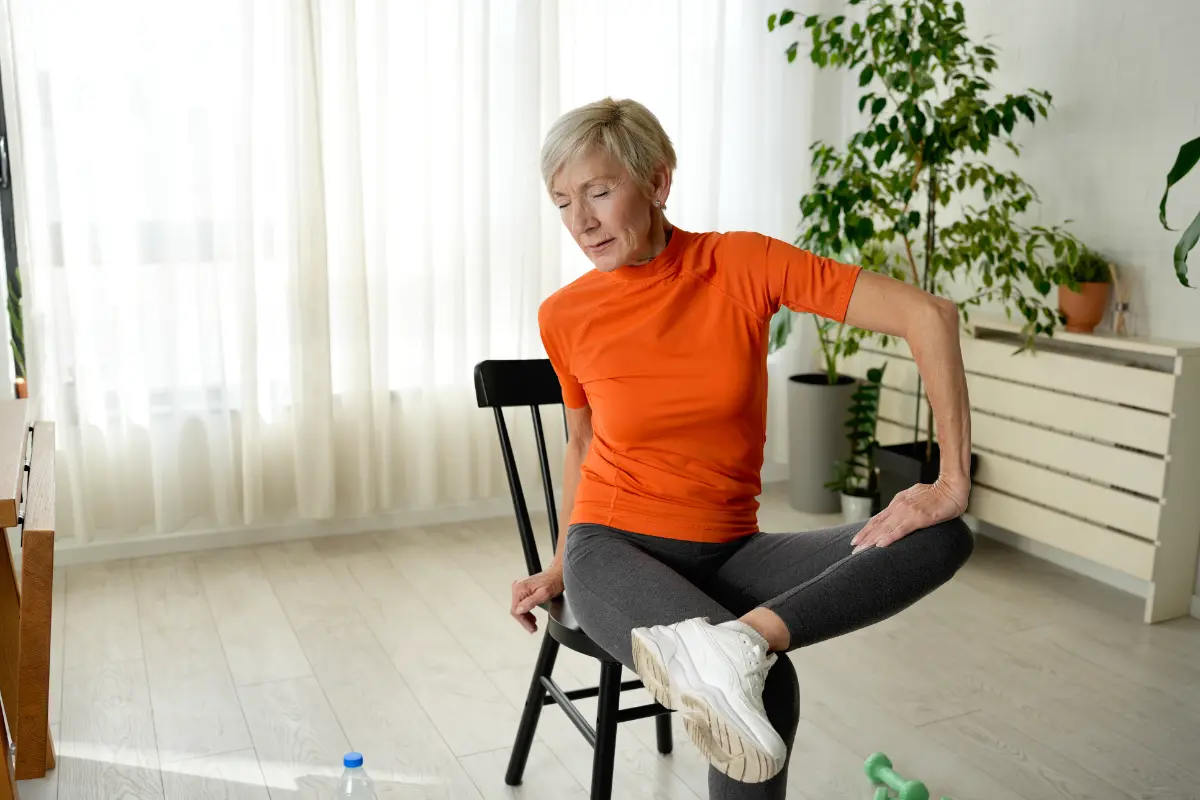
Exercise is one of the most effective ways to prevent falls. The best programs include:

  • Balance and strength exercises done at least 3 times per week for 12 weeks or longer.
  • Tai Chi classes designed for older adults.
  • Physical therapy with a therapist who can create a personalized program.

Important: Caregivers should be involved in helping with exercise programs. A physical therapist can teach you both safe exercises to do at home.

Make Your Home Safer

Simple changes can make a big difference:

In the bathroom:

  • Install grab bars next to the toilet and in the shower or tub.
  • Use non-slip bathmats.
  • Make sure the bathroom is well-lit, especially at night.

On stairs and steps:

  • Add handrails on both sides.
  • Put bright, non-slip strips on step edges.
  • Ensure good lighting at the top and bottom.

Throughout the home:

  • Remove throw rugs or secure them with non-slip backing.
  • Clear walkways of clutter, electrical cords, and obstacles.
  • Improve lighting in hallways, stairways, and entrances.
  • Keep frequently used items within easy reach to avoid climbing.
  • Consider motion-sensor nightlights for nighttime safety.

Review Medications and Supplements

Some medications increase fall risk. Talk with your provider or pharmacist about:

  • All prescription, supplements, and over-the-counter medications.
  • Whether any medications cause dizziness, drowsiness, or low blood pressure.
  • Safer alternatives if needed.

Medications that commonly increase fall risk include sleeping pills, anxiety medications, antidepressants, and some blood pressure medications.

Address Vision Problems

  • Have eyes checked regularly.
  • Wear glasses as prescribed.
  • Ensure good lighting throughout the home.
  • Be extra careful when moving between areas with different lighting.

Manage Dizziness and Blood Pressure

Some people feel dizzy when standing up (called orthostatic hypotension). To reduce this:

  • Stand up slowly from sitting or lying down.
  • Sit on the edge of the bed for a moment before standing.
  • Stay well-hydrated.
  • Talk to your doctor if dizziness is frequent.

Wear Safe Footwear

  • Choose shoes with non-slip soles and good support.
  • Avoid walking in socks, slippers, or shoes with smooth soles.
  • Make sure shoes fit properly.

Stay Engaged and Active

  • Depression and inactivity increase fall risk.
  • Encourage daily activities and social engagement.
  • Talk to your doctor if you notice signs of depression.

What to Do If a Fall Happens?

  • Stay calm and check for injuries.
  • If injured or unable to get up safely, call for help.
  • Tell your provider about all falls, even if there’s no injury.
  • Keep a record of when and where falls happen to identify patterns.

Working with Your Healthcare Team

Your doctor or healthcare provider can:

  • Assess fall risk and identify specific problems.
  • Refer you to physical therapy for a personalized exercise program.
  • Review medications and make adjustments as needed.
  • Check for medical conditions that increase fall risk.
  • Connect you with community resources and support services.

Remember

Fall prevention works best when multiple strategies are used together. Caregivers play a crucial role in helping implement these strategies and supervising exercise programs. Don’t wait for a fall to happen. Start prevention today.

Home Safety

Why Home Safety Matters?

Dementia affects memory, judgment, and the ability to recognize dangers. As the disease progresses, everyday activities like cooking, bathing, and moving around the home can become risky. The good news is that with some planning and simple changes, the home can remain a safe and comfortable place to live.

Kitchen Safety:

The kitchen is one of the most dangerous rooms in the home for someone with dementia. Kitchen fires and burns are a recognized risk.

  • Never leave cooking unattended. If the person with dementia cooks alone, consider switching to a microwave or unplugging the stove when not in use.
  • Install an automatic stove shut-off device that turns off the burner after a set time.
  • Remove or lock away sharp knives, scissors, and other dangerous utensils.
  • Store cleaning products and chemicals in a locked cabinet. A person with dementia may mistake them for food or drinks.
  • Set the water heater to 120°F (49°C) or lower to prevent scalding.
  • Keep a fire extinguisher in the kitchen and make sure caregivers know how to use it.
  • Use unbreakable dishes and cups to prevent injuries from broken glass.

Bathroom Safety:

  • Install grab bars next to the toilet and inside the shower or tub.
  • Use a non-slip bathmat inside and outside the tub or shower.
  • Consider a shower chair or bath bench for seated bathing.
  • Remove locks on the bathroom door so the person cannot accidentally lock themselves in.
  • Keep medications, razors, and cleaning products locked away or out of reach.
  • Use nightlights to make nighttime bathroom trips safer.
  • Supervise bathing as needed. Never leave a person with moderate to severe dementia alone in the bath.

Wandering Prevention:

Up to 60% of people with dementia may wander, which can lead to becoming lost, exhaustion, falls, or exposure to weather.

  • Install door alarms or chimes that sound when exterior doors are opened.
  • Use deadbolt locks placed high or low on doors, out of the person’s line of sight.
  • Place “STOP” signs or full-length dark mats in front of exit doors, which may discourage the person from leaving.
  • Consider a GPS tracking device. Wearable bracelets, clip-on trackers, or smartphone-based trackers can help locate someone quickly if they do wander.
  • Enroll in a safe return program (such as the MedicAlert + Alzheimer’s Association Safe Return program), which provides an ID bracelet and a 24-hour emergency response line.
  • Keep a recent photo and physical description of the person readily available in case they go missing.
  • Maintain a consistent daily routine. Wandering is often triggered by boredom, restlessness, or searching for something familiar.
  • Secure the yard with fencing and locked gates if possible.

Fire and Emergency Safety:

  • Install smoke detectors and carbon monoxide detectors on every floor and test them monthly.
  • Remove or lock away matches, lighters, and candles.
  • Do not allow unsupervised smoking. Consider fireproof aprons or switching to non-combustible alternatives.
  • Keep a fire extinguisher accessible and ensure caregivers know how to use it.
  • Create and practice a simple fire escape plan.
  • Place emergency contact numbers in large print near every phone.
  • Consider a medical alert system (wearable button) for emergencies.

Medication Safety:

People with dementia may forget to take medications, take them more than once, or take the wrong ones.

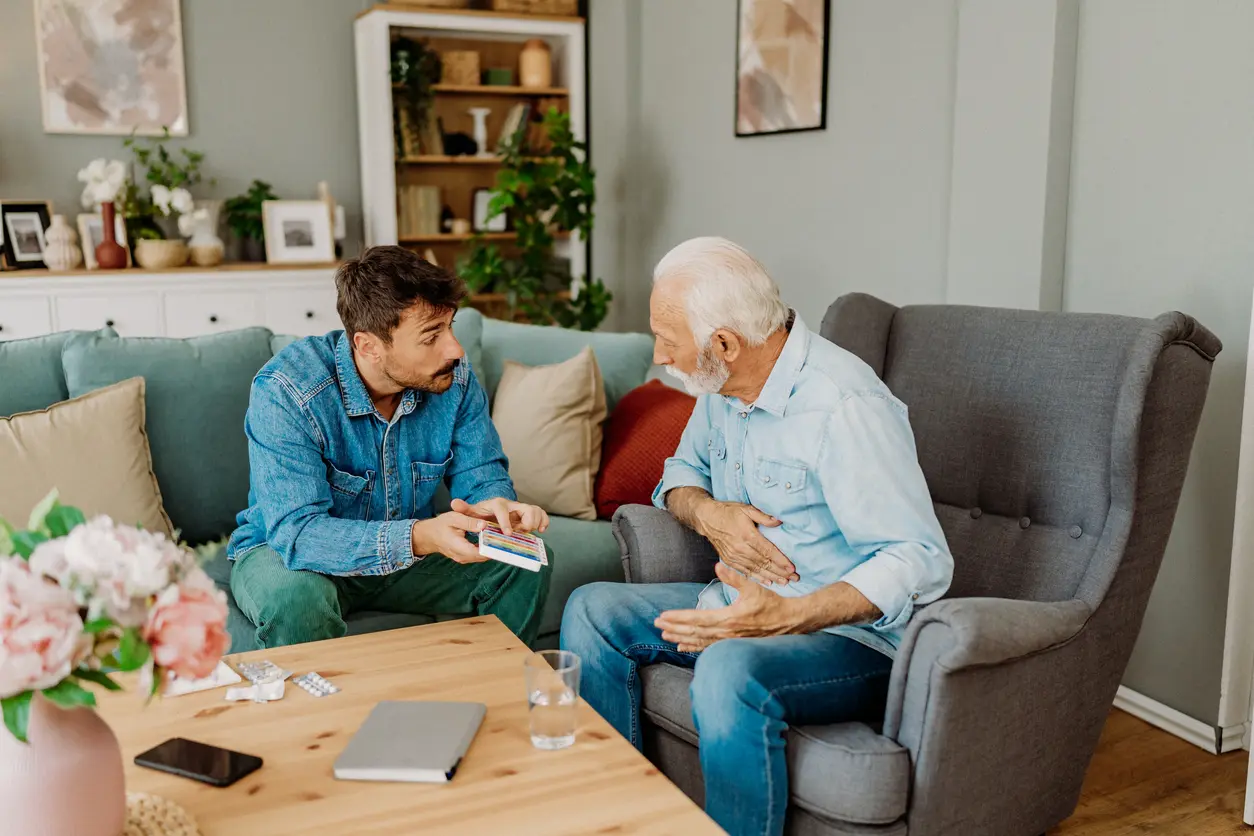
  • Use a pill organizer or electronic pill dispenser that provides reminders and dispenses the correct dose at the right time.
  • Lock away all medications. Keep only the current dose accessible.
  • A caregiver should supervise all medication taking when possible.
  • Keep an updated medication list and share it with all healthcare providers.
  • Dispose of expired or unused medications safely.

Preventing Poisoning and Harmful Ingestion:

A person with dementia may not recognize what is safe to eat or drink.

  • Lock away household cleaners, pesticides, gasoline, paint, and other toxic substances.
  • Remove or lock up alcohol if it interacts with medications or if the person drinks excessively.
  • Store vitamins and supplements with other locked medications.
  • Remove artificial fruits, decorative soaps, or other items that could be mistaken for food.

Firearm and Weapon Safety:

  • Remove firearms, ammunition, and other weapons from the home or store them in a locked safe that the person with dementia cannot access.

Reducing Confusion:

Dementia makes it harder to process information. A calm, organized environment helps.

  • Keep the home well-organized and avoid rearranging furniture or belongings.
  • Use labels with words and pictures on drawers, cabinets, and doors (e.g., “Bathroom,” “Socks”).
  • Place clocks and calendars in visible locations to help with orientation.
  • Reduce background noise (turn off the TV when not watching) to minimize confusion.
  • Use contrasting colors to help the person see important items. For example, a dark toilet seat on a white toilet, or a brightly colored plate on a white table.
  • Cover or remove mirrors if they cause confusion or fear (some people with dementia do not recognize their own reflection).

Technology That Can Help:

Several devices can improve safety at home:

  • GPS trackers (wearable or clip-on) for locating someone who wanders.
  • Automatic stove shut-off devices to prevent kitchen fires.
  • Electronic pill dispensers with alarms for medication reminders.
  • Motion-sensor lights for nighttime safety.
  • Door and window alarms to alert caregivers.
  • Video monitors or baby monitors to check on the person from another room.
  • Medical alert systems (wearable buttons) for emergencies.

Tips for Caregivers:

  • Make sure to do a home safety walk-through at least every few months. Safety needs change as dementia progresses.
  • Ask your provider for a referral to an occupational therapist who can do a professional home safety assessment.
  • Take care of yourself. Caregiver burnout is common and can affect the safety of both you and the person you care for.
  • Connect with support resources such as the Alzheimer’s Association (1-800-272-3900) or local caregiver support groups.
  • Plan ahead for advance directives and legal matters while the person can still participate in decisions.

When to Reassess Living Arrangements

It may be time to consider additional help or a care facility if:

  • Falls or injuries are happening frequently despite safety measures.
  • Wandering cannot be managed safely at home.
  • The person needs 24-hour supervision.
  • Caregiver health or well-being is seriously affected.

Talk with your healthcare team about options. There is no shame in asking for more help.

Remember

Home safety is not a one-time task. As dementia progresses, new risks will appear and new solutions will be needed. Regular check-ins with your healthcare team, an occupational therapist, and community resources can help keep the home safe and comfortable for as long as possible.

References

Effectiveness of a Home-Based Missing Incident Prevention Program for Community-Dwelling Elderly Patients With Dementia.
International Psychogeriatrics. 2019. Lau WM, Chan TY, Szeto SL.

Fall Prevention Interventions for Cognitively Impaired Older Adults: A Systematic Literature Review and Meta-Analysis.
Western Journal of Nursing Research. 2025. Choi H, Tak SH, Lee D.

Interventions for Preventing Falls in Older People in Care Facilities.
The Cochrane Database of Systematic Reviews. 2025. Dyer SM, Kwok WS, Suen J, et al.

Environmental Interventions for Preventing Falls in Older People Living in the Community.
The Cochrane Database of Systematic Reviews. 2023. Clemson L, Stark S, Pighills AC, et al.

Risk Assessment and Prevention of Falls in Older Community-Dwelling Adults: A Systematic Review.
The Journal of the American Medical Association. 2024. Colón-Emeric CS, McDermott CL, Lee DS, Berry SD.

Living With an Aging Parent: “It Was a Beautiful Invitation.”
The Journal of the American Medical Association. 2011. Ritchie CS, Roth DL, Allman RM.

Diagnosis and Management of Dementia: Review.
The Journal of the American Medical Association. 2019. Arvanitakis Z, Shah RC, Bennett DA.

By |2026-06-12T16:20:29-08:00June 12, 2026|Safety, Caregiver Support, Dementia Care|0 Comments

Movement Snacks: Gentle Activity Ideas for Heart Health in Dementia Care

When someone suggests “exercise” to a caregiver, the reaction is often a tired laugh. Between managing medications, navigating behavioral changes, and keeping your loved one safe, finding time for a workout can feel laughable.

But here’s the good news: you don’t need a workout. What researchers are now calling “movement snacks,” short bursts of gentle activity lasting just two to five minutes, can support cardiovascular health, improve mood, and even help with sleep. And many of them can be done together with your loved one, making them a moment of connection rather than another item on your to-do list.

This article shares simple, safe movement ideas you can sprinkle into your day without special equipment, extra time, or added stress.

Why Short Bursts of Movement Matter for Heart and Brain Health

Heart health and brain health are closely connected. The same blood vessels that supply the heart also feed the brain, which means that what helps the cardiovascular system can also support cognitive function.

For people living with dementia, regular gentle movement may help with circulation, reduce restlessness and agitation, improve sleep quality, and support overall physical strength and balance. For caregivers, even brief physical activity can lower stress hormones, lift your mood, and give you a small energy boost when you need it most.

The key word here is “gentle.” No one is asking you or your loved one to break a sweat. The goal is simply to move a little more than you did yesterday, in whatever way feels comfortable and safe.

What Is a Movement Snack?

A movement snack is any short period of intentional physical activity, usually between one and five minutes, woven into your regular routine. Think of it like a quick stretch between tasks rather than a dedicated exercise session.

Examples include:

  • Standing up and sitting down slowly from a chair three to five times while waiting for the kettle to boil.
  • Marching in place or doing gentle toe taps while watching TV together.
  • Walking to the mailbox and back.
  • Doing slow arm circles or shoulder rolls while seated at the kitchen table.
  • Swaying gently to a favorite song.

Movement snacks work because they’re small enough to fit into almost any day, even the hard ones. They don’t require changing clothes, clearing space, or carving out a special time. They just ask you to move your body for a moment, wherever you already are.

Safe Movement Ideas to Try Together

Safety is always the top priority when encouraging movement for someone with dementia. Here are a few ideas that can be adapted to different ability levels. Always consider your loved one’s balance, mobility, and comfort before starting, and talk with their healthcare provider if you have questions about what’s appropriate.

Seated activities (for those with limited mobility or balance concerns):

  • Gentle leg lifts while sitting in a sturdy chair.
  • Ankle circles and toe points.
  • Seated marching, alternating lifting each knee a few inches.
  • Squeezing a soft ball or rolled-up towel with both hands.
  • Reaching arms overhead slowly, then lowering them back down.

Standing activities (with support nearby):

  • Holding the back of a chair and doing slow heel raises.
  • Side-stepping along the kitchen counter.
  • Standing near a wall and doing gentle wall push-ups.
  • Walking slowly around the living room or down the hallway.

Movement with music:

  • Playing a familiar song and clapping along.
  • Swaying or dancing gently while holding hands.
  • Using a rhythm instrument like a small shaker or tambourine.

Music can be especially powerful for people living with dementia, because musical memory often remains intact even when other memories fade. A familiar melody may bring a smile, encourage natural movement, and create a moment of shared joy.

Tips to Make Movement a Natural Part of Your Day

The best movement snack is one that doesn’t feel like effort. Here are a few ways to build gentle activity into your routine without adding pressure.

Attach it to something you already do. After breakfast, do a few gentle stretches at the table. After a bathroom trip, take a slow lap through the hallway. By linking movement to existing habits, it becomes automatic rather than another thing to remember.

Follow your loved one’s lead. Some days, your loved one may be willing and even eager to move. Other days, they may resist or seem confused by what you’re asking. That’s okay. Offer an invitation rather than an instruction, and let it go if the answer is no.

Keep it short and positive. Two minutes is plenty. If it feels good, do a little more. If it doesn’t, stop. There’s no failure here, only flexibility.

Move for yourself, too. Caregiver health matters. If your loved one is resting or being cared for by someone else, take those few minutes to stretch, walk around the block, or simply stand up and breathe. Your body carries a lot of stress. It deserves attention, too.

Don’t worry about doing it “right.” There is no perfect form, no required number of reps, no minimum time. Any movement counts. Even fidgeting, tapping your feet, or pacing while on hold with the insurance company counts as a movement snack.

What to Do When Movement Feels Like Too Much

Some days, even two minutes of gentle stretching will feel impossible, and that’s completely okay.

Dementia caregiving has seasons. There are days when your loved one is agitated or unwell, days when you’re running on empty, days when the to-do list wins. On those days, movement can wait.

If structured movement isn’t working, try these alternatives:

  • Open a window and take three deep breaths of fresh air.
  • Walk from one room to another with no agenda.
  • Stretch your arms and fingers while sitting on the couch.
  • Simply stand up, pause for a moment, and sit back down.

These tiny actions still count. They still help. And they don’t ask more of you than you can give.

When things settle, you can try again. Movement snacks will be there whenever you’re ready to come back to them.

Key Takeaways

  • “Movement snacks” are short, gentle bursts of activity lasting one to five minutes that support heart and brain health without requiring a formal exercise routine.
  • Seated activities, slow walking, and moving to music are all safe options that can be adapted to your loved one’s ability level.
  • Linking movement to habits you already have, like stretching after breakfast, makes it easier to build into your day.
  • Always consider your loved one’s safety and comfort, and check with their healthcare provider if you’re unsure what’s appropriate.
  • On days when movement feels like too much, even a deep breath or a short walk to the next room still counts. It’s okay to start small.

You’re not alone in this, and every small movement matters.

By |2026-02-16T19:23:29-08:00February 21, 2026|Caregiver Support, Dementia Care, Safety|Comments Off on Movement Snacks: Gentle Activity Ideas for Heart Health in Dementia Care

When Medications Become a Battle: Staying Organized and Handling Refusal with Grace

If you’ve ever stood in the kitchen holding a pill and a glass of water while your loved one shakes their head, turns away, or becomes upset, you’re not alone. Medication refusal is one of the most common and most stressful challenges caregivers face.

For people living with dementia, medications for heart health, blood pressure, cholesterol, and other conditions are often critical. But dementia can make the simple act of taking a pill feel confusing, scary, or even threatening. Your loved one may not understand why they need the medication, may not recognize the pills, or may have difficulty swallowing.

On top of that, keeping track of multiple prescriptions, refill schedules, and timing can feel like a full-time job in itself.

This article addresses both sides of the medication challenge: staying organized so nothing falls through the cracks, and responding with patience and creativity when your loved one says no. Neither part is easy, but there are strategies that can help.

Why People with Dementia Refuse Medications

Before jumping into solutions, it helps to understand what might be behind the refusal. When someone with dementia pushes away their pills, it’s rarely about being stubborn. There’s almost always a reason, even if they can’t explain it.

Here are some of the most common causes:

  • They don’t understand what the medication is for. As dementia progresses, your loved one may not remember their diagnosis or why they take certain pills. Being handed something to swallow by someone else can feel confusing or even frightening.
  • They have difficulty swallowing. Dysphagia (trouble swallowing) becomes more common in later stages of dementia. Pills may feel too large, get stuck, or cause a choking sensation that makes your loved one anxious about trying again.
  • The medication tastes bad or has unpleasant side effects. Some medications leave a bitter taste, cause nausea, or make your loved one feel “off.” They may associate the pills with feeling worse, not better.
  • They feel a loss of control. Dementia takes away many choices. Refusing medication can be one of the few ways your loved one feels they still have a say in what happens to their body.
  • The timing or approach feels wrong. Being woken up to take pills, interrupted during a favorite show, or approached during a moment of agitation can all trigger refusal that has more to do with timing than the medication itself.

Understanding the “why” behind the refusal can help you choose a response that addresses the real issue, not just the surface behavior.

Compassionate Strategies When Your Loved One Says No

There’s no single trick that works every time. What works today may not work tomorrow, and that’s normal with dementia. The goal is to have several gentle approaches you can rotate through.

Wait and try again later. This is often the most effective first step. If your loved one refuses, don’t push. Step away, wait 15 to 30 minutes, and try again with a calm, fresh approach. Sometimes a change in mood or moment is all it takes.

Simplify your language. Instead of explaining the medical reason for each pill, try short, reassuring phrases. “Here’s your morning vitamin” or “The doctor asked me to give you this” can feel less overwhelming than a detailed explanation.

Offer medications with food or drinks. Ask the pharmacist whether pills can be taken with applesauce, yogurt, pudding, or juice. Some medications can be crushed or opened and mixed into soft foods. Always check with the pharmacist first, because some pills should not be crushed or split.

Try a different form. Many medications come in liquid, dissolvable, or patch forms. If swallowing pills is the main barrier, talk with the healthcare provider about alternatives. This one change can sometimes resolve the issue entirely.

Reduce the pill burden when possible. Ask the healthcare provider or pharmacist to review all current medications. Sometimes prescriptions can be combined, doses can be simplified, or medications that are no longer providing clear benefit can be discontinued. Fewer pills can mean fewer battles.

Match the approach to the person. Some people respond well to a matter-of-fact tone. Others do better when medication time feels like part of a routine they enjoy, like taking pills with morning coffee or an afternoon snack. Pay attention to what feels natural for your loved one.

Avoid arguing or forcing. Physically forcing someone to take medication can damage trust, increase agitation, and in some cases cause choking. If your loved one is firmly refusing, it’s better to step back and try a different strategy than to escalate the situation.

Staying Organized: Systems That Actually Work

Even when your loved one is willing to take their medications, keeping track of everything can be overwhelming. Multiple prescriptions, different times of day, varying refill schedules. It adds up quickly.

Here are practical systems that caregivers find helpful:

  • Use a weekly pill organizer with labeled compartments. Choose one with large, easy-to-open lids and clear labels for morning, afternoon, and evening. Fill it at the same time each week so it becomes part of your routine.
  • Set phone alarms or reminders. A simple alarm labeled “Mom’s morning meds” or “Dad’s evening pills” can prevent missed doses, especially on busy or disrupted days.
  • Keep a medication list in one place. Write down every medication, the dose, when it should be taken, and what it’s for. Bring this list to every doctor’s appointment and keep a copy on the refrigerator or in your phone.
  • Sync refills to the same schedule. Ask the pharmacy if they can align all prescription refills to the same day of the month. Many pharmacies offer this service, and it eliminates the stress of tracking multiple refill dates.
  • Use one pharmacy for everything. Having all prescriptions filled at the same location helps the pharmacist catch potential drug interactions and makes communication easier.
  • Ask about medication synchronization or packaging services. Some pharmacies offer blister packs or strip packaging that pre-sort medications by date and time. This is particularly useful for individuals taking five or more medications.

When to Talk to the Healthcare Provider

Sometimes medication refusal or difficulty is a signal that something needs to change. Don’t hesitate to reach out to the healthcare provider if:

  • Your loved one consistently refuses one specific medication. There may be a side effect they can’t describe, or an alternative that would work better.
  • Swallowing has become noticeably harder. The care team can assess for dysphagia and recommend safer ways to take medications.
  • You’re unsure whether a medication is still necessary. As dementia progresses, treatment goals may shift. A medication that made sense two years ago might not be the right fit now. It’s okay to ask.
  • The medication routine has become a major source of daily conflict. The healthcare provider may have suggestions you haven’t considered, or may be able to simplify the regimen.
  • You’re managing medications for both heart health and dementia. These prescriptions can interact with each other, and a pharmacist or provider review can help ensure everything is working together safely.

You are your loved one’s best advocate. Bringing up medication challenges isn’t complaining. It’s giving the care team important information they need to help.

Giving Yourself Grace in the Process

There will be days when you do everything right and your loved one still refuses their medication. There will be mornings when you forget a dose or realize the prescription ran out two days ago.

That doesn’t make you a bad caregiver. It makes you a human being managing an incredibly complex job, often without enough support.

If a dose is missed, don’t panic. Note it and move on. If medication refusal becomes a pattern, bring it up with the care team so you can problem-solve together. And if the daily medication routine is wearing you down, it’s okay to ask for help, whether that’s from another family member, a home health aide, or a pharmacist who can simplify the system.

You’re doing more than most people realize. And you don’t have to do it perfectly to be doing it well.

Key Takeaways

  • Medication refusal in dementia is common and usually has an underlying reason, such as confusion, difficulty swallowing, side effects, or a need for control.
  • Gentle strategies like waiting and trying again, simplifying language, offering meds with food, and exploring alternative forms can reduce daily battles.
  • Never force medications. If your loved one firmly refuses, step back and try a different approach or time.
  • Staying organized with pill organizers, phone reminders, a master medication list, and synced refills can help prevent missed doses and reduce caregiver stress.
  • Talk with the healthcare provider if refusal is persistent, swallowing has changed, or the medication routine is causing significant daily conflict.

You’re not alone in this. And it’s okay to ask for help.

By |2026-02-16T19:17:31-08:00February 16, 2026|Dementia Care, Caregiver Support, Safety|Comments Off on When Medications Become a Battle: Staying Organized and Handling Refusal with Grace

Practical Home Safety Tips for Vision Changes in Dementia

If your loved one with dementia has started bumping into furniture, missing steps, or seeming confused in familiar spaces, vision changes may be part of the picture.

Dementia doesn’t just affect memory. It can also change how the brain processes what the eyes see. Your loved one’s eyesight might test fine at the optometrist, but they may still struggle to judge distances, notice obstacles, or make sense of busy visual patterns.

These changes can lead to falls, anxiety, and frustration for both of you. The good news is that many home adjustments are simple, inexpensive, and can make a real difference in safety and comfort.

This article walks you through practical changes you can make room by room, along with tips for lighting, contrast, and reducing visual clutter. You don’t need to renovate your home. Small shifts can help your loved one move more safely and feel more at ease.

Understanding Vision Changes in Dementia

Before jumping into solutions, it helps to understand what might be happening.

In many types of dementia, especially Alzheimer’s disease, the brain has difficulty interpreting visual information. This is different from typical age-related vision problems like cataracts or macular degeneration, though those can occur at the same time.

Common vision-related challenges in dementia include:

  • Depth perception problems. Your loved one may misjudge the height of a step or the distance to a chair, leading to falls or hesitation.
  • Difficulty with contrast. They may not see a white toilet against a white floor, or a clear glass on a light countertop.
  • Sensitivity to glare. Bright lights or shiny surfaces can cause confusion or discomfort.
  • Trouble with busy patterns. Patterned rugs, floors, or wallpaper can look like obstacles or holes, causing fear or hesitation.
  • Reduced peripheral vision. They may not notice objects or people approaching from the side.

These changes can make a familiar home suddenly feel disorienting. But with a few thoughtful adjustments, you can help your loved one navigate more confidently.

Lighting: Bright, Even, and Glare-Free

Good lighting is one of the most important and overlooked safety tools.

Increase overall brightness. Older eyes need more light to see clearly. Aim for bright, even lighting throughout the home, especially in hallways, stairs, and bathrooms. Consider higher-wattage bulbs or adding extra lamps in dim areas.

Eliminate harsh shadows. Shadows can look like holes or obstacles. Use multiple light sources in a room rather than one overhead light. Floor lamps or under-cabinet lighting can help fill in dark spots.

Reduce glare. Shiny floors, glass tabletops, and mirrors can create confusing reflections. Use matte finishes where possible, add non-glare coatings to picture frames, and consider sheer curtains to soften bright window light.

Use nightlights strategically. Place nightlights in hallways, bathrooms, and between the bedroom and bathroom. Using motion-sensor lights can be particularly beneficial for navigating at night.

Keep lighting consistent. Moving from a bright room to a dark one (or vice versa) can be disorienting. Try to maintain similar light levels throughout the home.

Contrast: Making Objects and Edges Visible

When depth perception is impaired, contrast becomes essential for safety.

Use contrasting colors for key items. A dark toilet seat on a white toilet, a brightly colored handrail against a neutral wall, or a red placemat under a white plate can help your loved one see important objects clearly.

Mark edges and transitions. Add a variety of colored tape on the edges of steps, thresholds, and countertops. This helps the brain recognize where one surface ends and another begins.

Choose solid colors over patterns. Busy patterns on floors, rugs, or bedspreads can look like obstacles or movement. Solid, contrasting colors are easier to interpret.

Make doors and doorways visible. If doors blend into walls, consider painting the door frame a contrasting color. This helps your loved one identify where to walk.

Avoid clear glass. Clear glass tables, shower doors, or cabinet fronts can be invisible and dangerous. Use decals, frosted glass, or solid alternatives.

Reducing Clutter and Visual Confusion

A simpler visual environment is easier for the brain to process.

Remove unnecessary furniture and decor. The less there is to navigate around, the safer the space. Keep pathways wide and clear.

Secure or remove loose rugs. Rugs with patterns can look like holes or steps. If you keep rugs, choose solid colors and secure them with non-slip backing or tape.

Minimize reflective surfaces. Mirrors can cause confusion, as your loved one may not recognize their reflection or may think another person is in the room. Consider covering or removing mirrors that cause distress.

Organize items simply. In kitchens and bathrooms, keep frequently used items visible and in consistent places. Too many choices or hidden items can increase frustration.

Close closet and cabinet doors. Open doors and cluttered shelves can be visually overwhelming.

Room-by-Room Safety Checks

Here are quick tips for the most important areas of the home:

Bathroom

  • Install grab bars near the toilet and in the shower or tub.
  • Use a contrasting toilet seat and bath mat.
  • Remove glass shower doors if possible, or add decals.
  • Keep lighting bright and even.

Bedroom

  • Ensure a clear path from bed to bathroom.
  • Use nightlights or motion-sensor lights.
  • Choose solid-colored bedding to help your loved one see the bed clearly.

Stairs

  • Mark the edges of each step with contrasting tape.
  • Ensure handrails are sturdy and easy to see.
  • Keep stairs well-lit, with light switches at both top and bottom.

Kitchen

  • Use contrasting placemats and dishes.
  • Store frequently used items at eye level.
  • Remove or secure rugs in front of the sink or stove.

Living areas

  • Arrange furniture to create clear walking paths.
  • Remove low coffee tables or footstools that are easy to trip over.
  • Keep cords tucked away and out of walking paths.

When to Talk with the Healthcare Team

If you notice unexpected changes in your loved one’s vision or an increase in falls, it’s important to speak with their healthcare provider. Some vision problems, like cataracts or glaucoma, can be treated. Others may indicate a change in the dementia itself.

An occupational therapist can also do a home safety assessment and recommend specific modifications for your situation. Ask the care team for a referral if you’d like personalized guidance.

Key Takeaways

  • Vision changes in dementia are common and can affect depth perception, contrast sensitivity, and the ability to interpret busy patterns.
  • Bright, even, glare-free lighting is one of the most important safety tools in your home.
  • Use contrasting colors to make edges, objects, and doorways easier to see.
  • Reduce clutter, remove tripping hazards, and simplify the visual environment.
  • Talk with the healthcare team if you notice sudden vision changes or an increase in falls.

You don’t need to make every change at once. Start with the areas where your loved one spends the most time, and adjust as you go. Every small improvement helps.

By |2026-01-27T18:44:41-08:00January 27, 2026|Safety, Dementia Care|Comments Off on Practical Home Safety Tips for Vision Changes in Dementia

Managing Holiday Overwhelm: Helping Your Loved One Navigate Busy Environments

The holiday season is full of activity: crowded stores, family gatherings, airport terminals, flashing lights, and layers of noise. For most people, it’s hectic but manageable. For someone living with dementia, it can be genuinely overwhelming.

Dementia affects the brain’s ability to filter and process sensory information. What feels like festive background noise to you might feel like chaos to your loved one. Unfamiliar environments, unpredictable schedules, and too much stimulation can lead to confusion, anxiety, agitation, or withdrawal.

As a caregiver, you can’t eliminate every challenge the season brings. But you can make thoughtful adjustments that reduce overwhelm and help your loved one feel safer. This article shares practical strategies for busy environments, travel, and the sensory overload that often comes with December.

Understanding Sensory Overload in Dementia

Sensory overload happens when the brain receives more input than it can process. For someone with dementia, this threshold is often much lower than it used to be.

Think about what a typical holiday gathering involves: multiple conversations happening at once, music playing, dishes clattering, children running around, unfamiliar smells from cooking, and visual stimulation from decorations and movement. Each of these demands attention and processing power from the brain.

When the brain can’t keep up, stress responses kick in. Your loved one might become anxious, irritable, or agitated. They might shut down and withdraw. They might try to leave or become restless without being able to explain why. In some cases, overwhelming environments can trigger what’s sometimes called a “catastrophic reaction,” a sudden emotional outburst that seems out of proportion to the situation.

These responses aren’t intentional or controllable. They’re the brain’s way of signaling that it’s overloaded. Understanding what’s happening can help you respond with patience and plan ahead to reduce overwhelm before it starts.

Strategies for Reducing Sensory Overload

You can’t control every environment, but you can often reduce the intensity of what your loved one experiences.

Lower the volume. At home, keep background music soft or turn it off entirely during gatherings. At someone else’s house, ask if the music can be turned down, or find a quieter room to spend time in. Avoid spaces with competing noise sources like a television playing while people talk.

Reduce visual clutter. Blinking lights, crowded rooms, and busy decorations can be disorienting. When you have control over the space, keep things simple. When you don’t, position your loved one facing away from the most visually chaotic areas.

Watch the crowd size. More people means more noise, more movement, and more unpredictability. Smaller gatherings are usually easier to manage. If a large event is unavoidable, plan for a shorter visit or arrange breaks in a quiet space.

Pay attention to lighting. Dim or flickering lights can cause confusion and increase fall risk. Bright, even lighting is usually best. If the environment is too dim or too harsh, see if adjustments can be made or choose where you sit carefully.

Minimize strong smells. Cooking odors, perfumes, candles, and air fresheners can be overwhelming. If you’re hosting, keep scents mild. If visiting, be aware that strong smells might contribute to your loved one’s discomfort.

Limit transitions. Moving from one space or activity to another requires mental energy. Try to minimize how often your loved one has to shift gears, and give gentle verbal cues before transitions happen: “In a few minutes, we’re going to move to the dining room for dinner.”

Navigating Travel Challenges

Holiday travel adds complexity for everyone, but for someone with dementia, it can be especially disorienting. Unfamiliar places, disrupted routines, and the stress of airports, hotels, or long car rides can all increase confusion and anxiety.

Before deciding to travel, honestly assess whether it’s the right choice this year. Sometimes the kindest option is to stay home and invite family to come to you, or to connect by video call instead. There’s no shame in choosing the calmer path.

If travel is necessary or important to your family, these strategies can help.

Stick to routines as much as possible. Keep mealtimes and bedtimes consistent, even in a different time zone. Bring familiar items from home: a favorite blanket, pillow, or photo. These anchors can help your loved one feel grounded in an unfamiliar place.

Plan for extra time. Rushing increases stress for everyone. Build in buffer time for airport security, rest stops, and unexpected delays. A calm pace makes the journey easier.

Prepare for airports and busy terminals. If flying, consider requesting wheelchair assistance even if your loved one can walk. This allows you to bypass long lines and reduces the physical and mental strain of navigating a crowded airport. Keep important documents easily accessible, and stay close to your loved one at all times.

Break up long drives. If traveling by car, plan frequent stops for stretching, bathroom breaks, and snacks. Familiar music or audiobooks from your loved one’s past can help pass the time calmly.

Choose accommodations carefully. If staying overnight somewhere, a quiet hotel room or a calm guest room is usually better than a house full of activity. Make sure the sleeping space is safe, with nightlights for bathroom trips and clear paths free of tripping hazards.

Have an exit plan. Know that you might need to cut the trip short if things aren’t going well. Having a backup plan reduces your own stress and helps you respond flexibly if your loved one becomes too overwhelmed to continue.

Managing Busy Public Spaces

Holiday shopping, religious services, community events, and restaurants all present challenges during the busy season.

Time your outings strategically. Stores and public spaces are usually calmest early in the morning or on weekday afternoons. Avoid peak shopping days and evening events when crowds and noise are highest.

Keep visits short. A quick trip is easier to manage than a long outing. Get in, do what you need to do, and leave before fatigue or overstimulation sets in.

Use curbside pickup and delivery. Many stores offer alternatives to in-person shopping. Taking advantage of these options reduces one more source of potential overwhelm.

Scout locations in advance. If you’re planning to attend a holiday event or visit an unfamiliar place, try to check it out ahead of time or look at photos online. Knowing the layout and what to expect helps you plan for quiet spots or quick exits.

Bring comfort items. Sunglasses can help with bright or flickering lights. Noise-reducing earplugs or headphones may help in loud environments. A familiar object to hold can be soothing.

Stay close and stay calm. When you’re relaxed, your loved one is more likely to feel settled too. If you’re anxious or rushed, they may pick up on that energy. Moving slowly, speaking calmly, and staying physically close can help them feel more secure.

Recognizing the Signs of Overwhelm

Even with careful planning, overwhelm can still happen. Recognizing the early signs helps you intervene before things escalate.

Watch for restlessness, pacing, or attempts to leave. Notice if your loved one becomes unusually quiet, withdrawn, or confused.

Increased irritability, repeated questions, or sudden mood changes can also signal that the environment is too much.

When you see these signs, respond gently. Remove your loved one from the stimulating environment if possible. Find a quiet space, lower the sensory input, and offer reassurance. Sometimes just sitting together in silence is enough to help them settle.

Don’t wait until a full crisis develops. Leaving an event early or stepping outside for a break isn’t failure. It’s good caregiving.

Protecting Yourself from Overwhelm, Too

Caregivers aren’t immune to sensory overload, especially when you’re already tired and stretched thin. The same busy environments that stress your loved one can wear you down too.

Give yourself permission to limit your own exposure to chaos. Skip events that feel like too much. Accept that you can’t do everything this season. Build in quiet time for yourself whenever possible, even if it’s just fifteen minutes alone with a cup of tea after the house settles down.

You can’t pour from an empty cup. Protecting your own calm helps you be present and patient for your loved one when it matters most.

By |2026-02-22T01:22:45-08:00December 9, 2025|Behavior, Caregiver Support, Dementia Care, Safety|Comments Off on Managing Holiday Overwhelm: Helping Your Loved One Navigate Busy Environments

Creating a Dementia-Safe Bedroom

For caregivers of individuals with dementia, ensuring a safe and comfortable sleeping environment is crucial. In the later stages of dementia, individuals may experience increased confusion, disorientation, and difficulty recognizing familiar surroundings, which can elevate the risk of accidents, especially during the night. A dementia-safe bedroom can help prevent these risks while promoting a peaceful and restful environment for both the individual and the caregiver.

This article provides practical tips for creating a dementia-safe bedroom, reducing nighttime risks, and ensuring your loved one’s safety and comfort as they sleep.

1. Reducing the Risk of Falls

Falls are a common concern for individuals with dementia, particularly at night when they may get out of bed in confusion or wander aimlessly. Preventing falls is one of the most important aspects of creating a dementia-safe bedroom.

a. Use Low-Bed or Adjustable Bed Frames

Low beds are ideal for dementia patients as they reduce the risk of injury if your loved one accidentally falls out of bed. Adjustable bed frames can also be beneficial, allowing you to raise the head or foot of the bed to make getting in and out easier and safer.

Tips:

  • Ensure the bed height is comfortable: The bed should be at a height that allows your loved one to easily get in and out without the risk of tripping or falling.
  • Install bed rails or fall-prevention devices: Bed rails can provide extra support and prevent your loved one from rolling out of bed. However, make sure they are adjustable and do not become a hazard themselves.

b. Clear the Floor of Obstacles

The bedroom floor should be free of clutter, rugs, and furniture that could pose a tripping hazard. Even small obstacles can cause accidents, particularly when your loved one may be confused or unable to see clearly.

Tips:

  • Remove loose rugs: Rugs are common trip hazards, especially for individuals who may have difficulty walking or balancing. If rugs are necessary, use non-slip backing.
  • Keep pathways clear: Ensure that pathways to and from the bed, bathroom, or closet are unobstructed by furniture or clutter.

c. Use Nightlights

Dementia patients often experience difficulty with depth perception and are more prone to falls when they wake up at night. Soft nightlights provide gentle illumination to guide your loved one safely to the bathroom or around the room during nighttime confusion.

Tips:

  • Place nightlights in key areas: Position nightlights near the bed, along the hallway, and in the bathroom. Ensure the light is bright enough for safety but soft enough to avoid causing glare.
  • Consider motion-activated lights: These can automatically illuminate the room when your loved one gets up, providing safe lighting without the need to fumble for a switch.

2. Preventing Wandering and Sleep Disruption

Wandering is another common nighttime issue for individuals with dementia. This behavior can pose serious safety risks if your loved one leaves the room or attempts to walk around when confused. Keeping them in a safe, contained area during the night can help reduce these risks.

a. Secure Bedroom Doors and Windows

If your loved one is prone to wandering, it’s important to ensure that bedroom doors and windows are secure. This will help prevent them from exiting the room or house without supervision.

Tips:

  • Use childproof or lockable door handles: Simple locks or childproof handles can prevent your loved one from opening doors in the middle of the night. Ensure they are safe for you to operate, however, in case of an emergency.
  • Install window locks or security bars: If windows are accessible, install locks or security bars to prevent them from opening at night.

b. Create a Comfortable Sleep Environment

Ensuring your loved one is comfortable at night can reduce restlessness and promote better sleep. A relaxing and familiar environment can help reduce nighttime confusion and anxiety.

Tips:

  • Maintain a consistent sleep routine: Try to keep bedtime consistent each night, which helps signal to your loved one that it’s time to sleep.
  • Ensure a comfortable mattress and bedding: Use a mattress and pillows that provide comfort and support, as well as soft, familiar sheets. This can help prevent restlessness and encourage relaxation.
  • Keep the room cool and well-ventilated: A cool room can help promote better sleep. Consider using a fan or adjusting the thermostat to maintain a comfortable temperature.

3. Managing Nighttime Incontinence

Incontinence is common in individuals with dementia, especially at night. Managing incontinence effectively can help your loved one stay comfortable and prevent accidents that may disrupt sleep.

a. Use Absorbent Pads or Diapers

Absorbent pads or adult diapers designed for nighttime use can help manage incontinence and ensure that your loved one stays dry throughout the night. Be sure to choose products with sufficient absorbency to handle overnight needs.

Tips:

  • Check frequently: If your loved one is mobile at night, check for wetness and change their diaper or pad as necessary.
  • Choose breathable fabrics: Look for incontinence products made with breathable fabrics to reduce the risk of skin irritation.

b. Establish a Pre-Bedtime Bathroom Routine

Encouraging your loved one to use the bathroom before going to bed can help reduce the risk of accidents during the night. If possible, take them to the bathroom just before they fall asleep to help ensure they don’t need to get up during the night.

Tips:

  • Make the bathroom accessible: Ensure the bathroom is easily accessible from the bedroom, and consider using a bedside commode if necessary.
  • Use clear visual cues: If your loved one has trouble remembering the bathroom routine, consider using visual cues like a nightlight in the bathroom or a sign near the door.

4. Addressing Nighttime Confusion and Agitation

Some individuals with dementia experience increased confusion or agitation at night, often referred to as “sundowning.” This can result in distress and difficulty sleeping, both for the individual and the caregiver.

a. Calming Techniques Before Bed

Engaging in calming activities before bedtime can help reduce anxiety and agitation. Gentle, familiar routines can signal to your loved one that it’s time to wind down for the night.

Tips:

  • Gentle music or reading: Play calming music or read aloud from a familiar book to help ease your loved one into sleep.
  • Avoid stimulating activities: Limit activities that may overstimulate your loved one, such as watching TV or engaging in vigorous exercise close to bedtime.

b. Consider Medication Options

If nighttime confusion or agitation is severe, consult with your loved one’s healthcare provider to discuss medication options. There are medications available that can help manage symptoms of anxiety or restlessness during the night.

Tips:

  • Consult a doctor: If nighttime agitation is causing significant distress, a doctor may be able to prescribe medication to help with sleep and reduce confusion.
  • Use medication sparingly: Medication should only be used as a last resort and under the guidance of a healthcare professional, as it can have side effects and may not address the root cause of the issue.

5. When to Seek Professional Help

If you’re struggling to create a dementia-safe bedroom or manage nighttime issues, such as wandering, agitation, or incontinence, consider consulting a healthcare professional. Occupational therapists, dementia care specialists, and healthcare providers can offer tailored advice and resources to make nighttime care easier and safer.

Creating a dementia-safe bedroom is an important step in ensuring your loved one’s safety and comfort during the night. By focusing on fall prevention, promoting a calming environment, managing incontinence, and addressing nighttime confusion, you can significantly reduce risks and improve the quality of sleep for both your loved one and yourself. Remember that small adjustments to the bedroom setup, routines, and safety measures can make a big difference in ensuring a restful and secure nighttime experience.

By |2025-07-15T19:45:06-08:00July 15, 2025|Safety|Comments Off on Creating a Dementia-Safe Bedroom

Managing Driving Safety for Dementia Patients

Driving provides a sense of independence and freedom for many individuals, but for people living with dementia, the ability to drive safely can become compromised as the disease progresses. Dementia affects cognitive function, memory, and decision-making, making it increasingly difficult for individuals to react quickly and make sound judgments while behind the wheel. As a caregiver, one of the most challenging tasks may be determining when it is no longer safe for your loved one to drive and how to manage this transition.

This article offers guidance on how to assess driving safety for dementia patients, recognize when it’s time to stop driving, and support your loved one through the transition away from driving.

1. Recognizing the Signs That Driving is No Longer Safe

Dementia can affect a person’s ability to drive safely in several ways, including impairing their judgment, memory, attention, and reaction times. As the disease progresses, it’s important for caregivers to stay alert to changes that might indicate driving is no longer safe. Some signs to watch for include:

     a. Memory Loss

A person with dementia may forget important details needed to drive safely, such as their destination, directions, or even where they parked the car. This can increase the risk of getting lost or confused while driving.

     b. Difficulty with Navigation

If your loved one struggles to follow familiar routes, recognizes landmarks, or has trouble reading road signs or maps, it may indicate that they are unable to safely navigate the roads.

     c. Slow Reaction Time

Dementia can impair an individual’s ability to react quickly to changes in their environment, such as sudden stops, pedestrians, or traffic signals. If you notice that your loved one is frequently delayed in responding to these changes, it’s a clear safety concern.

     d. Increased Risk of Accidents or Near-Misses

If your loved one has had a recent accident, multiple near-misses, or is being involved in minor fender-benders, it may be time to consider that their driving abilities are compromised.

     e. Difficulty Focusing or Maintaining Attention

Dementia patients may struggle with maintaining attention and focus while driving. This can lead to distractions or an inability to notice important details on the road, such as traffic signs, lights, or pedestrians.

     f. Confusion About Traffic Laws or Vehicle Controls

If your loved one becomes confused about traffic signals, turns, or how to operate the vehicle, these signs suggest that driving may be too overwhelming for them to manage safely.

2. How to Assess Driving Ability

Assessing your loved one’s ability to drive safely requires observation, open communication, and often, input from healthcare professionals. Here are some steps to consider when assessing their driving abilities:

     a. Have a Conversation with Your Loved One

Start by having an open, honest, and empathetic conversation with your loved one about their driving. Express your concerns in a calm and non-confrontational way, focusing on safety rather than restricting their independence. For example, you could say, “I’ve noticed that driving has been a bit more difficult lately. Let’s talk about how we can keep you safe.”

     b. Observe Their Driving

If your loved one is still driving, try to observe their driving on short trips. If possible, ride along and take note of any signs of difficulty, such as:

  • Driving too fast or too slow for the conditions.
  • Trouble staying within lanes or misjudging distances.
  • Difficulty parking or maneuvering the vehicle.
  • Distractions or frustration while driving.

     c. Consult with Their Doctor

A healthcare professional can conduct a formal assessment of your loved one’s cognitive function, reaction times, and physical abilities related to driving. A doctor can also help determine whether any medications or health conditions might impair their ability to drive safely.

     d. Use Formal Driving Assessments

There are formal driving assessments available that evaluate an individual’s ability to drive. Many communities offer assessments through rehabilitation centers or driving schools specializing in dementia care. These evaluations can provide more objective feedback on whether it’s safe for your loved one to continue driving.

3. When to Take Action: Transitioning Away from Driving

Once it is clear that your loved one is no longer able to drive safely, it is essential to begin the transition process. Stopping driving can be an emotional and difficult adjustment for both the person with dementia and their family. Here are steps to help make this transition smoother:

     a. Plan for the Conversation

Let your loved one know that their safety is your primary concern, and explain why it’s no longer safe for them to drive. It’s crucial to approach the conversation with empathy and understanding. Be prepared for resistance or denial, as many people with dementia struggle with the idea of losing their independence.

Tips for having the conversation:

  • Keep it calm and non-judgmental: Approach the conversation gently and provide reassurance that you will continue to support them.
  • Acknowledge their feelings: Understand that your loved one may feel angry, sad, or frustrated about losing their ability to drive. Allow them to express these emotions and validate their feelings.
  • Focus on safety: Emphasize that this decision is about protecting them and others on the road.

     b. Offer Alternative Transportation Options

One of the most significant concerns for people with dementia who stop driving is the loss of independence. Offer alternative transportation options that allow your loved one to continue getting out of the house and maintaining social connections.

Options to consider:

  • Public transportation: If accessible and safe, public transit may be a good alternative for getting to appointments, shopping, or social activities.
  • Ridesharing services: Services like Uber or Lyft can be a convenient option if your loved one feels comfortable using them.
  • Family or caregiver rides: Arrange a system where family members or caregivers can provide rides to necessary appointments and activities.
  • Community transportation services: Many areas offer specialized transportation services for seniors or people with disabilities. Check with local agencies to see what’s available.

     c. Remove the Keys and Car Access

Once the decision has been made, it may be necessary to remove access to the car keys or the car itself to prevent your loved one from driving. While this may be met with resistance, it is essential for their safety and the safety of others. Store the keys in a secure location and, if necessary, sell or donate the car.

     d. Consider a Gradual Transition

If your loved one is not ready to stop driving entirely, consider limiting their driving privileges gradually. For example, you might restrict them to driving only short distances or during daylight hours. This can help ease the transition while still allowing them some sense of independence. However, ensure that their driving ability continues to be assessed regularly.

4. Emotional Support and Coping Strategies

For many dementia patients, driving is a symbol of independence and freedom. Losing this ability can be a significant emotional challenge. It is essential to provide emotional support and offer reassurance during this time.

Support strategies to consider:

  • Validate their feelings: Acknowledge how difficult this transition can be, and let them know you understand their emotions.
  • Encourage other activities: Offer alternative ways for your loved one to stay engaged and independent, such as hobbies, social activities, or regular outings with family members.
  • Focus on the positives: Remind your loved one of the benefits of no longer driving, such as not having to worry about parking, traffic, or the risks of accidents.

5. When to Seek Professional Help

If the process of taking away the keys is particularly challenging, consider consulting with a professional, such as a therapist or counselor, who specializes in dementia care. They can help facilitate the conversation and provide strategies for managing your loved one’s emotional reactions. Additionally, if your loved one continues to resist or attempt to drive despite safety concerns, it may be necessary to involve a physician or other medical professional to reinforce the importance of stopping.

Transitioning a loved one with dementia away from driving is one of the most difficult decisions a caregiver may face. It requires sensitivity, patience, and thoughtful planning. By assessing driving abilities, having open conversations, offering alternative transportation, and providing emotional support, you can help ensure your loved one remains safe while maintaining as much independence as possible.

By |2025-06-13T09:33:43-08:00June 13, 2025|Safety|Comments Off on Managing Driving Safety for Dementia Patients

Preventing Falls and Promoting Safety in Dementia Patients

As a caregiver for a loved one with dementia, ensuring their safety is one of your top priorities. Dementia patients face a variety of challenges that can put them at risk for accidents, including falls, wandering, and confusion about their surroundings. As cognitive abilities decline, so does the ability to assess and avoid hazards. Falls, in particular, are a significant concern, as they can lead to serious injuries, hospitalizations, and a decline in quality of life. Fortunately, there are many strategies you can use to prevent accidents and keep your loved one safe.

This article explores practical safety tips to help prevent falls and other accidents in dementia patients, creating a safer environment both at home and outside.

1. Why Falls Are Common in Dementia Patients

Falls are one of the most common accidents that affect dementia patients. As dementia progresses, several factors can increase the risk of falls:

  • Impaired judgment: Dementia patients may have difficulty judging distances, heights, or surfaces, making them more prone to stumbling or tripping.
  • Balance and coordination issues: Cognitive decline can also affect motor skills, leading to unsteady movements or difficulty with tasks like walking, bending, or turning.
  • Medications: Some medications used to treat dementia or other health conditions can cause dizziness, sedation, or weakness, further increasing the risk of falls.
  • Visual and sensory impairments: Reduced vision or changes in depth perception can make it harder for dementia patients to navigate their environment safely.
  • Confusion and disorientation: Patients who are confused or disoriented may not be able to recognize hazards in their environment, such as stairs, furniture, or uneven flooring.

2. Creating a Fall-Proof Home Environment

The environment plays a crucial role in preventing falls and other accidents. Making simple adjustments to the home can greatly reduce the risk of injury.

a. Remove Obstacles

Clutter and obstacles in the home can pose tripping hazards for dementia patients. Ensure that pathways are clear and easy to navigate.

Tips for removing obstacles:

  • Keep floors clear: Remove rugs, cords, or furniture that could cause someone to trip. If you must use rugs, make sure they have non-slip pads underneath.
  • Ensure clear walkways: Keep hallways and rooms free of furniture or objects that may block movement. Use lightweight furniture that can be easily moved if necessary.
  • Tidy up daily: Check for and clean up spills immediately to prevent slipping, especially in the kitchen or bathroom.

b. Improve Lighting

Poor lighting can make it difficult for dementia patients to see obstacles or changes in the environment, increasing the risk of falls.

Lighting tips:

  • Install nightlights: Place nightlights in hallways, bathrooms, and near the bed to help guide your loved one during the night and prevent accidents in low-light conditions.
  • Ensure good illumination: Use bright, even lighting in all rooms, especially staircases and areas where your loved one spends a lot of time.
  • Use motion-sensor lights: Motion-sensor lights are especially helpful for nighttime or evening use, turning on automatically when someone enters a room or hallway.

c. Secure Furniture

Furniture that is unstable or difficult to use can increase the risk of falls. Make sure that your loved one can safely interact with the furniture around them.

Tips for securing furniture:

  • Secure heavy items: Ensure that large or heavy furniture, such as bookshelves and cabinets, are properly anchored to the wall to prevent tipping.
  • Choose sturdy furniture: Opt for chairs, tables, and other furniture that are stable and easy for your loved one to sit on or use.
  • Add grab bars: Install grab bars near the toilet, in the shower, and along any stairs to provide additional support when your loved one is standing or walking.

3. Promoting Mobility and Balance

Maintaining mobility and balance is key to fall prevention. Exercise can help dementia patients retain strength, flexibility, and coordination, while mobility aids can provide extra support.

a. Encourage Physical Activity

Engaging your loved one in regular, gentle exercise can improve strength, balance, and coordination, reducing the risk of falls.

Physical activity ideas:

  • Chair exercises: Simple exercises like seated leg lifts, arm stretches, or gentle torso twists can help improve strength and flexibility.
  • Walking: If your loved one is able, encourage regular walking. Start with short walks and gradually increase the duration as they become more comfortable.
  • Tai Chi or yoga: These gentle, low-impact exercises are great for improving balance and flexibility. You can find online videos designed for seniors or those with dementia to guide you both.

b. Use Mobility Aids

If your loved one struggles with balance, a walker, cane, or wheelchair can provide additional support and prevent falls.

Tips for mobility aids:

  • Choose the right aid: Depending on your loved one’s needs, a cane, walker, or even a rollator (a walker with wheels) may be necessary. Consult with a healthcare provider to determine the best option.
  • Ensure proper fit: If using a cane or walker, make sure it’s the right height and adjusted to your loved one’s needs. The healthcare provider can assist with fitting and teaching proper use.
  • Supervise use: Always supervise the use of mobility aids to ensure your loved one is using them safely and correctly.

4. Addressing Behavioral and Cognitive Factors

Behavioral and cognitive issues associated with dementia can also contribute to accidents and falls. By addressing these factors, you can help minimize the risk of injury.

a. Manage Confusion and Disorientation

Dementia patients may not recognize their surroundings or may become disoriented, which increases the risk of accidents.

Tips for managing confusion:

  • Create a familiar environment: Surround your loved one with familiar items and labels. Label rooms, doors, and furniture with clear, easy-to-read signs.
  • Establish routines: Keep daily activities, such as meals, bathing, and bedtime, on a regular schedule to reduce confusion and help your loved one feel secure.

b. Limit Access to Hazardous Areas

Certain areas of the home, such as the kitchen or bathroom, can be more dangerous due to sharp objects, hot surfaces, or water hazards.

Safety tips for hazardous areas:

  • Lock away dangerous items: Store cleaning supplies, medications, sharp objects, and tools in locked cabinets to prevent access.
  • Supervise bathroom use: Always supervise your loved one when they are in the bathroom, especially during bathing or showering. Consider installing non-slip mats or grab bars for added safety.
  • Control water temperature: To prevent burns, set the water heater to a safe temperature (typically no higher than 120°F) and check the temperature before your loved one uses the shower or bath.

5. Monitor Health and Medications

Health conditions, including dizziness, muscle weakness, or visual impairments, can contribute to an increased risk of falls. Similarly, medications can cause side effects like dizziness, drowsiness, or weakness that may increase the risk of accidents.

Health and medication tips:

  • Review medications regularly: Consult with your loved one’s healthcare provider about the side effects of medications, especially if they cause drowsiness or dizziness. Adjustments may be necessary.
  • Regular check-ups: Ensure your loved one has regular medical check-ups to monitor their overall health, mobility, and vision. Address any underlying health conditions that may contribute to falls.

6. When to Seek Professional Help

While many falls and accidents can be prevented with home modifications and careful attention, it’s important to seek professional help if your loved one experiences frequent falls, serious injuries, or behavioral changes.

When to consult a doctor:

  • Frequent falls: If your loved one falls repeatedly, it’s important to consult with a healthcare provider to assess their overall health, medication, and balance.
  • Injuries: Seek immediate medical attention if your loved one falls and sustains an injury, such as a fracture or head trauma.
  • Behavioral changes: Significant changes in behavior, such as increased aggression or agitation, may indicate an underlying medical issue that needs to be addressed.

Preventing falls and other accidents is a top priority for dementia caregivers. Dementia patients may require more supervision and support, but with careful planning and a proactive approach, you can help them live safely and independently for as long as possible.

By |2025-04-22T17:31:26-08:00April 22, 2025|Safety|Comments Off on Preventing Falls and Promoting Safety in Dementia Patients

Adapting to Physical Changes: Mobility and Assistive Devices

As dementia progresses, it affects not only memory and cognitive function but also physical abilities, including mobility. Dementia patients may experience difficulty walking, maintaining balance, or performing basic tasks independently. These physical changes can lead to an increased risk of falls, injuries, and a loss of confidence in their abilities.

As a caregiver, understanding how to adapt to these physical changes and providing the right mobility and assistive devices can improve your loved one’s safety, comfort, and quality of life. In this article, we will explore how caregivers can help dementia patients navigate these challenges, and how mobility aids and assistive devices can support their independence.

1. Why Mobility Changes Occur in Dementia Patients

Dementia affects the brain in various ways, leading to both cognitive and physical changes. As the disease progresses, physical symptoms can develop that impact mobility and motor skills. Some common physical changes include:

  • Decreased coordination and balance: As dementia progresses, patients may experience difficulty walking or maintaining balance, making them more prone to falls.
  • Muscle weakness: Cognitive decline can also lead to muscle weakness and stiffness, making it harder to move or perform activities.
  • Impaired judgment and perception: Dementia patients may struggle with understanding spatial awareness, leading to confusion about where they are walking or difficulty navigating obstacles.
  • Fatigue or dizziness: Many dementia patients experience tiredness or dizziness, which can make walking or standing for extended periods challenging.

Recognizing these physical changes early on can help caregivers plan for the appropriate interventions, including mobility aids and assistive devices.

2. Common Mobility Aids for Dementia Patients

As dementia progresses and mobility declines, mobility aids and assistive devices can be vital in promoting safety, independence, and confidence. These tools can help your loved one maintain their mobility while reducing the risk of falls or injuries.

a. Canes and Walkers

Canes and walkers are some of the most commonly used mobility aids. They provide stability and support while walking, helping patients regain their confidence and move more safely.

Tips for using canes and walkers:

  • Consult with a healthcare provider: It’s essential to ensure that the cane or walker is the right size for your loved one. A healthcare provider or physical therapist can help determine the proper height and type of aid.
  • Use the walker or cane properly: Ensure your loved one understands how to use the device safely. Walkers should be placed in front of the patient, and the patient should hold the handles with a firm grip, keeping elbows slightly bent.
  • Check the condition regularly: Ensure that the cane or walker is in good condition, with non-slip rubber tips that offer adequate grip and support.

b. Rollators

Rollators are walkers with wheels, making them easier to move than traditional walkers. They also typically come with a seat, allowing your loved one to take breaks when needed. Rollators are an excellent choice for patients who can walk but need extra support and comfort.

Tips for using rollators:

  • Choose the right rollator: Look for a rollator that suits your loved one’s needs, considering factors such as height, weight, and whether they need a seat for resting.
  • Make sure it’s adjustable: Rollators often have adjustable handles, so ensure that they are set to the proper height for your loved one.
  • Ensure stability: Make sure that the rollator is sturdy and has a locking mechanism for when your loved one wants to rest on the seat.

c. Wheelchairs

For individuals with more severe mobility issues, wheelchairs may be necessary. Wheelchairs can provide your loved one with the support they need to move around safely while allowing for a more comfortable sitting position.

Tips for using wheelchairs:

  • Manual vs. electric wheelchairs: Depending on your loved one’s abilities, you may need a manual wheelchair or an electric one. A manual wheelchair requires the caregiver or the patient to propel the chair, while an electric wheelchair can be powered with a motor.
  • Check the fit: Ensure the wheelchair fits well and is comfortable for your loved one. A healthcare provider can help with proper fitting to ensure good posture and comfort.
  • Safety first: Make sure that the wheelchair has secure footrests and brakes. Always lock the brakes when your loved one is sitting in the chair or when transferring in or out of the chair.

d. Standing and Walking Supports

For individuals who may need help standing or walking, support devices such as standing frames or gait belts can assist in providing balance and security.

Tips for using standing frames and gait belts:

  • Use a gait belt for transfers: A gait belt is a helpful tool that can be used to assist with transfers, such as from a bed to a chair or from a chair to a standing position. This can provide support while reducing the risk of falls.
  • Standing frames for support: If your loved one has difficulty standing, a standing frame can help them remain upright, providing stability when they need to walk or stand for short periods.

3. Home Modifications for Mobility and Safety

Along with mobility aids, there are several home modifications that can make the environment safer and easier for dementia patients to navigate.

a. Removing Tripping Hazards

Clutter, rugs, and uneven flooring can pose significant tripping risks. Ensure that all pathways are clear and that furniture is placed in a way that allows your loved one to move freely.

Tips for removing hazards:

  • Secure rugs: If you must use rugs, make sure they have non-slip backing or use rug pads to prevent slipping.
  • Keep walkways clear: Remove any furniture, cords, or obstacles that could cause your loved one to trip.
  • Fix uneven flooring: If there are uneven floorboards or rugs, replace them or use tape to keep them from shifting.

b. Install Grab Bars and Railings

Grab bars in bathrooms and railings along staircases are essential for providing additional support and preventing falls. These can help your loved one maintain balance when moving between rooms or using the bathroom.

Tips for installing grab bars:

  • Install in key areas: Place grab bars near the toilet, in the shower, and along any stairs or hallways your loved one frequently uses.
  • Ensure they are sturdy: Grab bars should be securely anchored to the wall to ensure they can support weight when your loved one holds onto them.

c. Use Non-slip Mats

Non-slip mats in the bathroom, kitchen, and other areas of the home can prevent slips and falls, especially in wet or slick areas.

Tips for non-slip mats:

  • Place mats in high-risk areas: Put non-slip mats in areas where your loved one is most likely to encounter slippery surfaces, such as the bathroom floor, kitchen floor, or near entryways.
  • Check mats regularly: Ensure that mats remain secure and don’t slide out of place, as this could increase the risk of falls.

4. When to Seek Professional Help

In some cases, mobility changes or challenges may require professional assistance. If your loved one is experiencing significant difficulty with mobility, it may be time to consult with a healthcare professional.

When to seek professional help:

  • Assessment of mobility aids: A physical therapist can assess your loved one’s mobility and recommend appropriate assistive devices or exercises to improve strength and coordination.
  • Evaluating the need for a wheelchair or walker: If your loved one is having trouble with walking or standing, a healthcare provider can help assess the need for a more supportive mobility device.
  • Professional home assessment: Some occupational therapists can conduct a home safety assessment to help identify areas that need modification to promote mobility and reduce fall risk.

Adapting to physical changes in dementia requires a combination of understanding, patience, and proactive safety measures. By using the right mobility aids, making necessary home modifications, and providing consistent support, you can help your loved one maintain their independence and safety for as long as possible.

By |2025-04-22T17:24:09-08:00April 21, 2025|Safety|Comments Off on Adapting to Physical Changes: Mobility and Assistive Devices

Safe Exercises for Dementia Patients

Exercise plays a vital role in maintaining the overall health and quality of life for individuals with dementia. Regular physical activity can improve mobility, reduce anxiety, enhance cognitive function, and help prevent common health issues such as heart disease, diabetes, and falls. However, due to the unique challenges dementia patients face—including cognitive decline, limited mobility, and confusion—caregivers must ensure that exercises are safe and tailored to their loved one’s abilities.

In this article, we’ll explore a variety of safe exercises that can be easily incorporated into a dementia patient’s daily routine.

1. Safe Exercises for Dementia Patients: Gentle and Adaptable Options

When choosing exercises for dementia patients, it’s essential to select activities that are safe, manageable, and appropriate for their abilities. The goal is to keep your loved one active without overexerting them or putting them at risk for injury. Below are some safe and effective exercise options for dementia patients.

a. Walking

Walking is a simple and safe form of exercise. It’s a low-impact activity that helps maintain cardiovascular health, improve circulation, and enhance balance.

Tips for walking safely:

  • Start with short distances: Begin with short, manageable walks and gradually increase the duration as your loved one becomes more comfortable.
  • Use proper footwear: Ensure your loved one is wearing supportive shoes to reduce the risk of slipping or falls.
  • Walk in a safe area: Choose a familiar route with minimal traffic and distractions. Avoid uneven terrain or busy streets.
  • Accompany them: Always walk with your loved one to ensure their safety and provide companionship.

b. Chair Exercises

Chair exercises are an excellent option for dementia patients with limited mobility or those who need support while exercising. These exercises help improve flexibility, strength, and coordination, all while reducing the risk of falls.

Examples of chair exercises:

  • Seated leg lifts: While sitting in a sturdy chair, encourage your loved one to lift one leg at a time. This strengthens the lower body and improves circulation.
  • Seated arm raises: Have your loved one lift their arms above their head, then slowly lower them. This helps with upper body strength and coordination.
  • Torso twists: While seated, gently guide your loved one to twist their torso from side to side. This increases flexibility and engages the core.
  • Gentle stretches: Encourage slow, controlled stretching of the arms, legs, and neck while sitting. These movements can help with flexibility and reduce stiffness.

c. Tai Chi

Tai Chi is a gentle, low-impact exercise that promotes balance, flexibility, and relaxation. It’s ideal for dementia patients, as the slow, controlled movements help reduce the risk of falls and improve mental clarity.

Tips for incorporating Tai Chi:

  • Focus on slow movements: Encourage gentle, flowing movements that improve coordination and focus.
  • Use videos or classes: If you’re not familiar with Tai Chi, consider using instructional videos designed for older adults or dementia patients. Many community centers also offer Tai Chi classes for seniors.
  • Seated options: Many Tai Chi exercises can be adapted for sitting in a chair, making it an accessible activity for those with mobility challenges.

d. Yoga

Yoga can help improve flexibility, strength, and balance, and it’s often used to reduce stress and promote relaxation. For dementia patients, simple, gentle yoga poses are best, with an emphasis on slow movements and breathing.

Tips for safe yoga practice:

  • Use a chair for support: Many yoga poses can be modified to be done while seated in a sturdy chair. This ensures that your loved one is supported throughout the session.
  • Focus on breathing: Encourage deep breathing exercises to help reduce anxiety and promote relaxation.
  • Gentle stretches: Simple stretches, such as arm reaches, neck rolls, and seated forward bends, can improve flexibility and reduce stiffness without overwhelming your loved one.
  • Encourage mindfulness: Yoga can help dementia patients focus on their breath and body, promoting mindfulness and reducing agitation.

e. Dancing

Dancing is a fun and effective way to engage your loved one in physical activity. It encourages movement, improves coordination, and provides an emotional outlet through music and rhythm.

Dancing tips:

  • Play familiar music: Choose music that your loved one enjoys or that was popular in their youth. Familiar tunes can trigger positive memories and enhance participation.
  • Start with simple movements: Begin with simple actions like swaying, tapping feet, or clapping hands to the rhythm.
  • Dance together: If your loved one is unsure, join in and gently guide them through the motions. This can encourage them to participate and enjoy the activity.
  • Avoid complex routines: Keep it simple and focus on fun and engagement rather than complex steps or movements.

f. Water Aerobics

If your loved one enjoys being in the water, water aerobics can be a great exercise option. The buoyancy of the water reduces the impact on joints, making it an ideal activity for individuals with arthritis or limited mobility.

Water aerobics tips:

  • Choose a warm pool: Warm water can help relax muscles and reduce joint pain, making the experience more comfortable.
  • Gentle movements: Encourage simple exercises like leg lifts, arm stretches, or walking in the water to promote strength and mobility.
  • Supervise closely: Always be in the water with your loved one to ensure they are safe and supported.

2. Safety Considerations for Dementia Patients During Exercise

While physical activity offers numerous benefits, it’s important to prioritize safety when helping dementia patients engage in exercise. Here are some safety tips to keep in mind:

Safety tips for exercise:

  • Monitor for signs of fatigue: Watch for signs of exhaustion, such as heavy breathing, sweating, or irritability. Stop the activity if your loved one seems fatigued or uncomfortable.
  • Hydrate regularly: Encourage your loved one to drink water before, during, and after exercise to prevent dehydration.
  • Use assistive devices: If your loved one has difficulty with balance or mobility, consider using walkers, canes, or other support devices during exercise.
  • Avoid overexertion: Keep the intensity of exercises light and manageable. The goal is to keep your loved one moving without overburdening them.
  • Supervise closely: Always be present during exercise sessions, especially if your loved one has limited mobility or coordination. Ensure the exercise environment is free from hazards like wet floors or obstacles.
  • Adapt to their needs: Modify exercises based on your loved one’s ability. If an activity is too challenging or uncomfortable, replace it with a gentler option.

3. Making Exercise Enjoyable and Consistent

To encourage consistency in exercise, it’s important to make it a positive and enjoyable experience. Keep physical activity light-hearted and social to ensure your loved one stays motivated and engaged.

Tips for making exercise enjoyable:

  • Incorporate music: Play your loved one’s favorite songs to enhance the experience and add an element of fun.
  • Make it social: If possible, involve other family members or friends in the activity. Social engagement can motivate your loved one to participate and add enjoyment.
  • Celebrate progress: Praise your loved one for their efforts, no matter how small. Positive reinforcement encourages continued participation.

Regular exercise not only benefits the body but also enhances cognitive function and overall quality of life. With patience, creativity, and a focus on safety, you can help your loved one stay active and engaged, improving their overall health and happiness.

By |2025-04-07T19:07:48-08:00April 7, 2025|Safety|Comments Off on Safe Exercises for Dementia Patients