Safe Exercises for Dementia Patients
Exercise plays a vital role in maintaining the overall health and quality of life for individuals with dementia. Regular physical activity can improve mobility, reduce anxiety, enhance cognitive function, and help prevent common health issues such as heart disease, diabetes, and falls. However, due to the unique challenges dementia patients face—including cognitive decline, limited mobility, and confusion—caregivers must ensure that exercises are safe and tailored to their loved one’s abilities.
In this article, we’ll explore a variety of safe exercises that can be easily incorporated into a dementia patient’s daily routine.
1. Safe Exercises for Dementia Patients: Gentle and Adaptable Options
When choosing exercises for dementia patients, it’s essential to select activities that are safe, manageable, and appropriate for their abilities. The goal is to keep your loved one active without overexerting them or putting them at risk for injury. Below are some safe and effective exercise options for dementia patients.
a. Walking
Walking is a simple and safe form of exercise. It’s a low-impact activity that helps maintain cardiovascular health, improve circulation, and enhance balance.
Tips for walking safely:
- Start with short distances: Begin with short, manageable walks and gradually increase the duration as your loved one becomes more comfortable.
- Use proper footwear: Ensure your loved one is wearing supportive shoes to reduce the risk of slipping or falls.
- Walk in a safe area: Choose a familiar route with minimal traffic and distractions. Avoid uneven terrain or busy streets.
- Accompany them: Always walk with your loved one to ensure their safety and provide companionship.
b. Chair Exercises
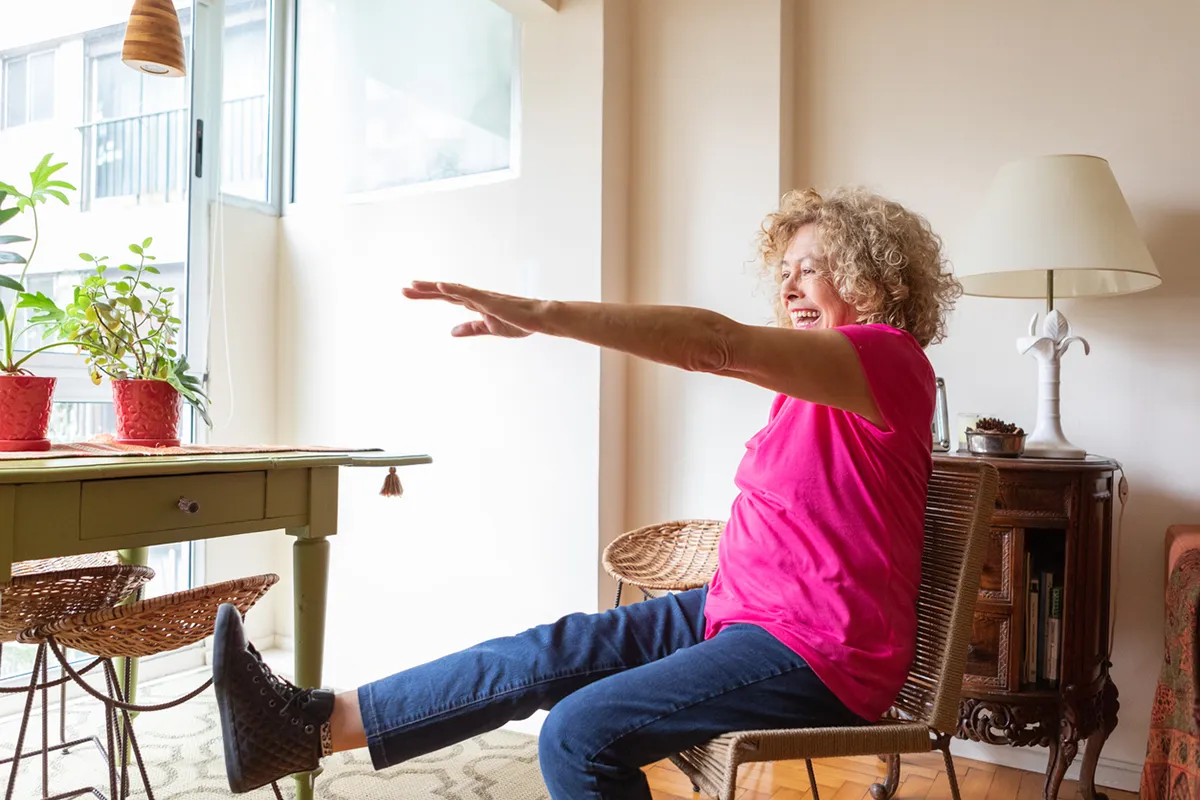
Chair exercises are an excellent option for dementia patients with limited mobility or those who need support while exercising. These exercises help improve flexibility, strength, and coordination, all while reducing the risk of falls.
Examples of chair exercises:
- Seated leg lifts: While sitting in a sturdy chair, encourage your loved one to lift one leg at a time. This strengthens the lower body and improves circulation.
- Seated arm raises: Have your loved one lift their arms above their head, then slowly lower them. This helps with upper body strength and coordination.
- Torso twists: While seated, gently guide your loved one to twist their torso from side to side. This increases flexibility and engages the core.
- Gentle stretches: Encourage slow, controlled stretching of the arms, legs, and neck while sitting. These movements can help with flexibility and reduce stiffness.
c. Tai Chi
Tai Chi is a gentle, low-impact exercise that promotes balance, flexibility, and relaxation. It’s ideal for dementia patients, as the slow, controlled movements help reduce the risk of falls and improve mental clarity.
Tips for incorporating Tai Chi:
- Focus on slow movements: Encourage gentle, flowing movements that improve coordination and focus.
- Use videos or classes: If you’re not familiar with Tai Chi, consider using instructional videos designed for older adults or dementia patients. Many community centers also offer Tai Chi classes for seniors.
- Seated options: Many Tai Chi exercises can be adapted for sitting in a chair, making it an accessible activity for those with mobility challenges.
d. Yoga
Yoga can help improve flexibility, strength, and balance, and it’s often used to reduce stress and promote relaxation. For dementia patients, simple, gentle yoga poses are best, with an emphasis on slow movements and breathing.
Tips for safe yoga practice:
- Use a chair for support: Many yoga poses can be modified to be done while seated in a sturdy chair. This ensures that your loved one is supported throughout the session.
- Focus on breathing: Encourage deep breathing exercises to help reduce anxiety and promote relaxation.
- Gentle stretches: Simple stretches, such as arm reaches, neck rolls, and seated forward bends, can improve flexibility and reduce stiffness without overwhelming your loved one.
- Encourage mindfulness: Yoga can help dementia patients focus on their breath and body, promoting mindfulness and reducing agitation.
e. Dancing
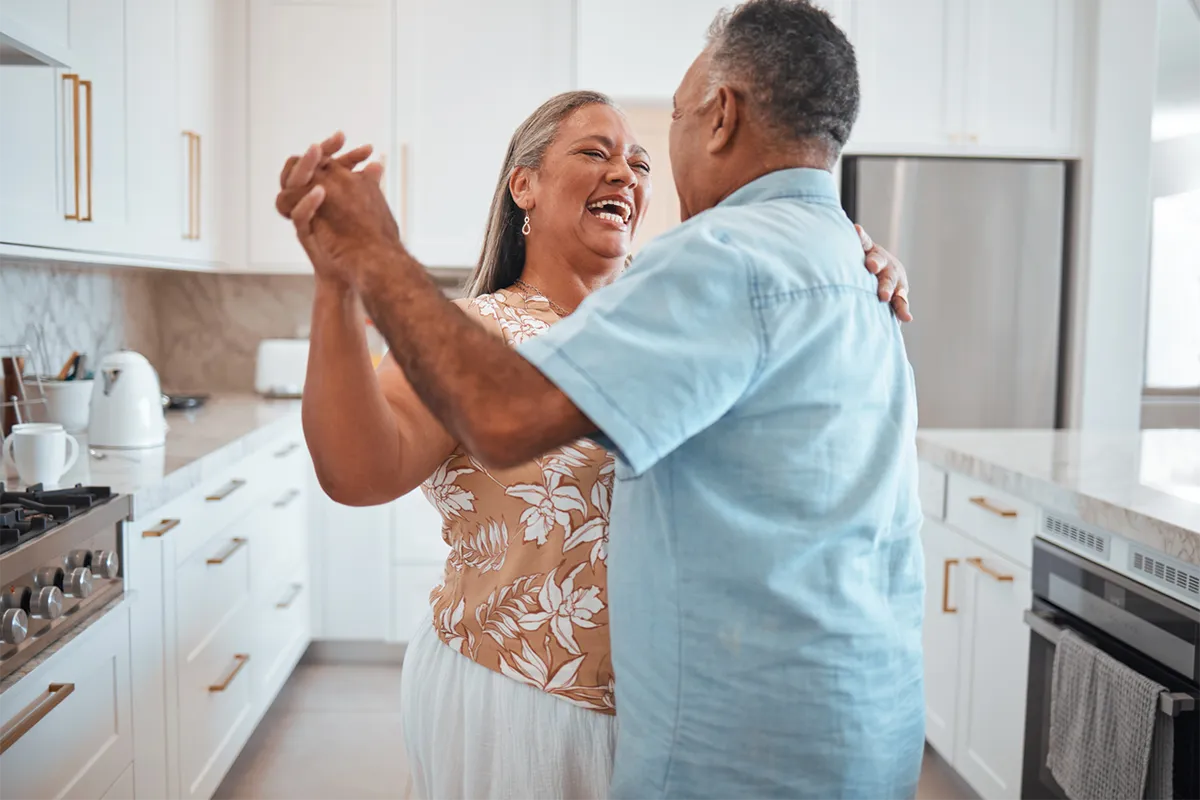
Dancing is a fun and effective way to engage your loved one in physical activity. It encourages movement, improves coordination, and provides an emotional outlet through music and rhythm.
Dancing tips:
- Play familiar music: Choose music that your loved one enjoys or that was popular in their youth. Familiar tunes can trigger positive memories and enhance participation.
- Start with simple movements: Begin with simple actions like swaying, tapping feet, or clapping hands to the rhythm.
- Dance together: If your loved one is unsure, join in and gently guide them through the motions. This can encourage them to participate and enjoy the activity.
- Avoid complex routines: Keep it simple and focus on fun and engagement rather than complex steps or movements.
f. Water Aerobics
If your loved one enjoys being in the water, water aerobics can be a great exercise option. The buoyancy of the water reduces the impact on joints, making it an ideal activity for individuals with arthritis or limited mobility.
Water aerobics tips:
- Choose a warm pool: Warm water can help relax muscles and reduce joint pain, making the experience more comfortable.
- Gentle movements: Encourage simple exercises like leg lifts, arm stretches, or walking in the water to promote strength and mobility.
- Supervise closely: Always be in the water with your loved one to ensure they are safe and supported.
2. Safety Considerations for Dementia Patients During Exercise
While physical activity offers numerous benefits, it’s important to prioritize safety when helping dementia patients engage in exercise. Here are some safety tips to keep in mind:
Safety tips for exercise:
- Monitor for signs of fatigue: Watch for signs of exhaustion, such as heavy breathing, sweating, or irritability. Stop the activity if your loved one seems fatigued or uncomfortable.
- Hydrate regularly: Encourage your loved one to drink water before, during, and after exercise to prevent dehydration.
- Use assistive devices: If your loved one has difficulty with balance or mobility, consider using walkers, canes, or other support devices during exercise.
- Avoid overexertion: Keep the intensity of exercises light and manageable. The goal is to keep your loved one moving without overburdening them.
- Supervise closely: Always be present during exercise sessions, especially if your loved one has limited mobility or coordination. Ensure the exercise environment is free from hazards like wet floors or obstacles.
- Adapt to their needs: Modify exercises based on your loved one’s ability. If an activity is too challenging or uncomfortable, replace it with a gentler option.
3. Making Exercise Enjoyable and Consistent
To encourage consistency in exercise, it’s important to make it a positive and enjoyable experience. Keep physical activity light-hearted and social to ensure your loved one stays motivated and engaged.
Tips for making exercise enjoyable:
- Incorporate music: Play your loved one’s favorite songs to enhance the experience and add an element of fun.
- Make it social: If possible, involve other family members or friends in the activity. Social engagement can motivate your loved one to participate and add enjoyment.
- Celebrate progress: Praise your loved one for their efforts, no matter how small. Positive reinforcement encourages continued participation.
Regular exercise not only benefits the body but also enhances cognitive function and overall quality of life. With patience, creativity, and a focus on safety, you can help your loved one stay active and engaged, improving their overall health and happiness.